Midspring season
Author: Zheng Kailin, a master student, attending physician, Department of Clinical Nutrition, Fujian Provincial People’s Hospital
Vice Chairman of Youth Committee of Clinical Nutrition Committee of Fujian Nutrition Society/Secretary of Metabolism and Nutrition Branch of Fujian Society of Integrated Traditional Chinese and Western Medicine/dietitian signed by China Clinical Nutrition Network, etc.
Lin Li holds a master’s degree in medicine, is an attending physician of clinical nutrition in Fujian Provincial People’s Hospital, is a director of dietotherapy branch of China Information Society of Traditional Chinese Medicine, and is a dietitian signed by China Clinical Nutrition Network.
Guidance: Ye Binhua, doctor of medicine, master supervisor, chief physician, registered dietitian.
Deputy Director of Endocrinology and Clinical Nutrition Department of People’s Hospital affiliated to Fujian University of Traditional Chinese Medicine, Deputy Director of Fujian Nutrition Quality Control Center, Member of Diabetes Branch of Chinese Medicine Association/Member of Nutrition Committee of Chinese Medical Doctor Association/Chairman of Metabolism and Nutrition Branch of Fujian Society of Integrated Traditional Chinese Medicine/Deputy Chairman of Diabetes Branch of Fujian Society of Integrated Traditional Chinese Medicine/Standing Committee of Diabetes Branch of Fujian Medical Association/Standing Committee of Diabetes Branch of Fujian Maritime Medical Association.
This article is excerpted from Four Seasons Medicinal Diet, Fujian Science and Technology Publishing House.
China Clinical Nutrition Network has been authorized to reprint

(Image from WeChat public platform public photo gallery)
I. Climatic characteristics
After Meng Chun, the second month of the lunar calendar is mid-spring. In spring returns, the temperature is rising, the cold is fading, the spring thunder is ringing at the beginning, the spring is bright, and the spring rain is abundant. However, it is sometimes warm and cold, so we should not underestimate it. It includes two solar terms, namely, fright and vernal equinox.
Second, the principle of health preservation-focusing on soothing the liver and nourishing the liver
In mid-spring, when the weather warms up, the spring thunder begins to sound, awakening the insects that hibernate underground. At this time, the winter eggs will also start to hatch. The qi of liver-yang in human body is gradually rising, and the yin and blood are relatively insufficient. Therefore, health preservation should conform to the nature of yang-qi, so at this time, we should focus on the nature of liver-shun, help temper and make the five internal organs peaceful.
I recommend you to see:
"On the Time of Su Wen’s Method of Storing Qi" said: "The liver governs the spring … the liver is bitter and anxious, and it is slow to eat it … The liver wants to disperse, and the pungent food is used to disperse it, and the pungent food is used to supplement it, and the sour diarrhea is used." In the five elements, the liver blocks the spleen and soil, and in the five flavors, the acid enters the liver. Eating too much acid is easy to cause the liver qi to flourish and damage the spleen and stomach, and the acid convergence is not conducive to the rise of yang and the release of liver qi. Therefore, it is advisable to choose foods with less acid, spleen and stomach for health preservation in spring.
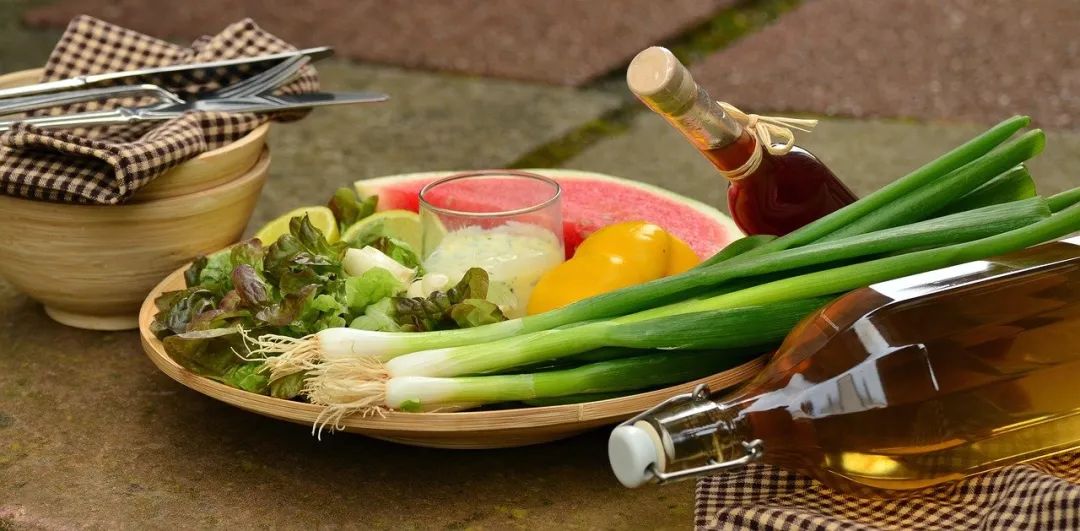
(Image from WeChat public platform public photo gallery)
Third, recommend medicinal diet
Jujube and lotus seed porridge
【 Efficacy 】 Strengthening the spleen, nourishing the heart and calming the nerves, benefiting the kidney and arresting astringency.
[Ingredients] 5 red dates, 15g lotus seeds, 70g japonica rice and 30g quinoa.
[Production method] Soak lotus seeds in advance and cook them with washed red dates, japonica rice and quinoa into porridge.
[Edible method] Take it 2-3 times a week instead of the staple food.
Jujube contains a variety of vitamins and can be used as a condiment, which has the effects of tonifying the middle warmer, invigorating qi, nourishing blood and calming the nerves. Lotus seeds tonify the spleen, nourish the heart and soothe the nerves, nourish the kidney and solidify the essence. They are rich in calcium, phosphorus, potassium and iron, which can promote metabolism and maintain acid-base balance. Japonica rice strengthens spleen, benefits qi and regulates stomach; Quinoa contains high protein, unsaturated fatty acids, vitamins, polyphenols, flavonoids and other substances, and has certain health care effects. 4 flavors cooked into porridge can strengthen the spleen and kidney, nourish the heart and soothe the nerves. Eating this porridge often in mid-spring can not only tonify the kidney to resist the cold in late spring, but also tonify the spleen and stomach.
Fried rice with leek and walnut
【 Efficacy 】 tonify kidney and raise yang.
[Ingredients] 150g of leek, 20g of walnut kernel, 10g of medlar, 150g of rice, 10g of scallion, and proper amount of oil and salt.
[Production method] Cut the onion; Wash leeks and cut into small pieces; Walnut kernels are cooked and fried; Washing Fructus Lycii to remove impurities; The rice is scattered for use. Enlarge the wok on fire, add vegetable oil, add scallion until fragrant, add leek, rice, medlar, walnut kernel, etc. and stir well to taste.
[How to eat] Take it once or twice a week with meals.
Leek can warm the middle and tonify the kidney; Walnut tonifies kidney and essence, warms lung and relieves asthma, and moistens intestine to relieve constipation; Lycium barbarum nourishes liver and kidney, improves eyesight and moistens lung; Stir-fried rice made with japonica rice has the effect of tonifying kidney and raising yang. There is still a little chill in mid-spring. Proper consumption of kidney-warming products can help the body dispel cold pathogens. This medicated diet can warm the kidney, nourish the liver and strengthen the spleen, and can be eaten frequently in mid-spring.
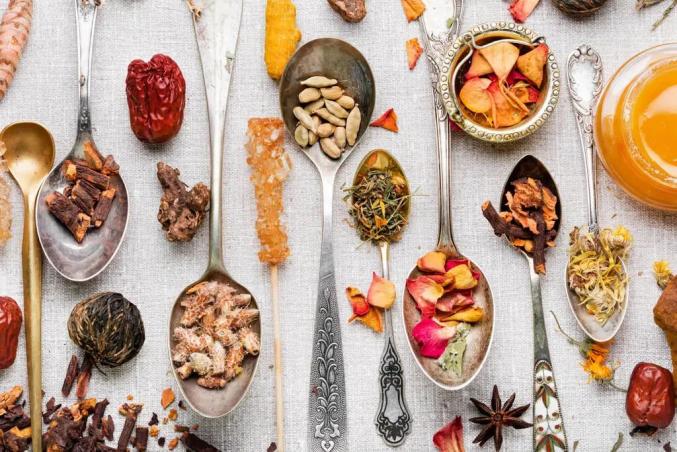
(Image from WeChat public platform public photo gallery)
Heshouwugan tablets
【 Efficacy 】 Tonifying liver and kidney, benefiting essence and blood, blackening hair and improving eyesight.
【 Ingredients 】 10 grams of Polygonum multiflorum Thunb, 100 grams of fresh pig liver, 10 grams of water-borne fungus, a little green leaves, 10 grams of starch, and appropriate amount of onion, ginger and seasoning.
[Production method] Polygonum multiflorum Thunb. is boiled with water, and concentrated to get 20 ml of juice. Add 10 ml of Polygonum multiflorum Thunb juice, half of starch and a little salt into pork liver slices, and then add 10 ml of Polygonum multiflorum Thunb juice and mix with other raw materials to make a thick juice. Put the oil in the wok, put the liver slices into it, drain the oil and take it out. Leave a little oil in the pot, add ginger, garlic, vegetables, etc. and stir-fry the liver slices. Pour in the sauce and stir-fry until cooked. Serve.
[How to eat] Take it once or twice a month with meals.
Polygonum multiflorum enters the liver and kidney meridians, which can replenish blood and essence, blacken hair and prolong life; Auricularia auricula can nourish yin and moisten dryness, and promote blood circulation. Combined with Polygonum multiflorum Thunb, it can enhance the power of enriching blood and moistening dryness. Pig liver can replenish blood and nourish liver, and it is combined with Polygonum Multiflori Radix and Auricularia auricula to supplement liver blood and benefit liver essence. Spring belongs to the liver, and the medicated diet supplements the shape with shape, which is in line with the health essentials of nourishing the liver in spring.
Steamed fresh fish with gastrodia elata and chuanxiong rhizome
【 Efficacy 】 Calm the liver and calm the wind, strengthen the spleen and promote diuresis.
[Ingredients] 500g fresh carp, 15g gastrodia elata, 5g Ligusticum chuanxiong, and appropriate amount of ginger, onion and seasoning.
[Production method] Fresh carp is washed and changed into a knife, gastrodia elata and Ligusticum chuanxiong are washed and soaked until soft, all the raw materials are put on a plate, steamed for 15-20 minutes on high fire, and the fish soup is poured into the pot after cooking, and starch is thickened and then poured on the fish.
[How to eat] Take it 2-3 times a week with meals.
Gastrodia elata has the effects of expelling wind and soothing the liver, lowering blood pressure and relieving numbness in limbs; Chuanxiong promotes blood circulation and qi circulation, and its compatibility with Gastrodia elata is better. Carp is a common fish with high protein and low fat, which can benefit water and lower qi, spleen and kidney, and reduce swelling. It can benefit liver and kidney and urine when combined with Gastrodia elata and Chuanxiong. This diet is mild in taste, and there is no special taboo in daily consumption. It is suitable for eating in mid-spring, which can not only soothe and nourish the liver, but also strengthen the spleen and promote diuresis.
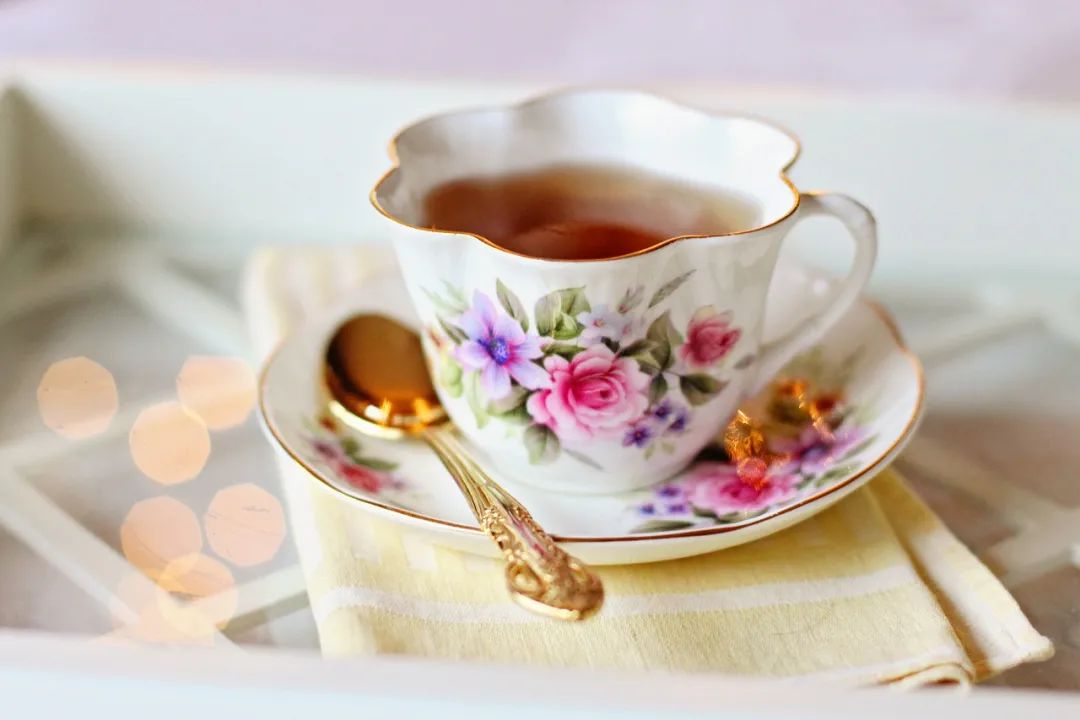
(Image from WeChat public platform public photo gallery)
Fohua Shugan tea
[Efficacy] Soothing the liver and regulating qi.
[Ingredients] 6 grams of bergamot, 3 grams of jasmine, and 3 grams of green sepals.
[Production method] The above raw materials are brewed with boiling water instead of tea.
[How to eat] Drink tea in moderation.
Bergamot, known as the "fairy product in fruit", has the effects of soothing the liver and relieving depression, regulating qi and resolving phlegm; Jasmine is the flower of Fuzhou, which is fragrant and has the effect of regulating qi and relieving pain. Green sepals also have the effects of soothing the liver, resolving phlegm and regulating the stomach. The whole prescription is used together to play the effects of soothing the liver, relieving depression, regulating qi and resolving phlegm. In spring, we should pay attention to soothing the liver and nourishing the liver, which is beneficial to the peace of the five internal organs, so we can drink tea regularly in this generation.
Editorial Department of China Clinical Nutrition Network
Dynamic column of this site:
Original title: "[Zheng Kailin+Lin Li] Mid-spring season-focusing on soothing the liver and nourishing the liver, recommending 5 medicated diets"