The Historical Evolution of Ford F150 "past lives" from F-1 to F-150
[Baika Automobile Automobile History] Speaking of Ford F150 pickup truck, it is the pickup truck with the highest sales volume in the United States. Many friends say that this truck is actually a working agricultural vehicle in the United States, but it has become an imported SUV in China, and its price has also risen with the rising tide, which has attracted many people’s feelings.
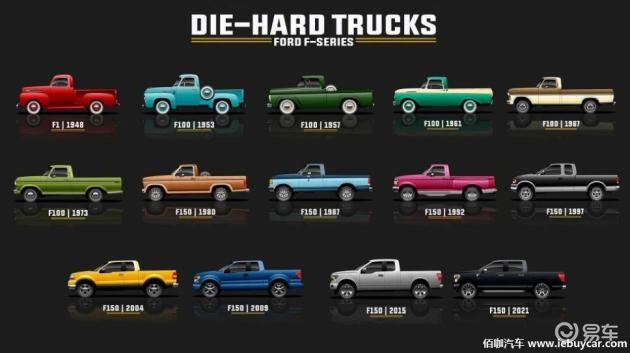
This pickup truck is a "universal machine", which can haul goods, tow trailers and conquer rough terrain. Now it can be transformed into a luxury pickup SUV with space for five adults. But as early as many years ago, it was naturally not like this. The historical process of the F-150 was very long, starting in 1948 after the Second World War. At that time, it was not known as the familiar title of F-150, but the foundation was made of steel. Today, let’s take a look at the historical evolution of Ford F150!
▼ The first generation: 1948 -1952
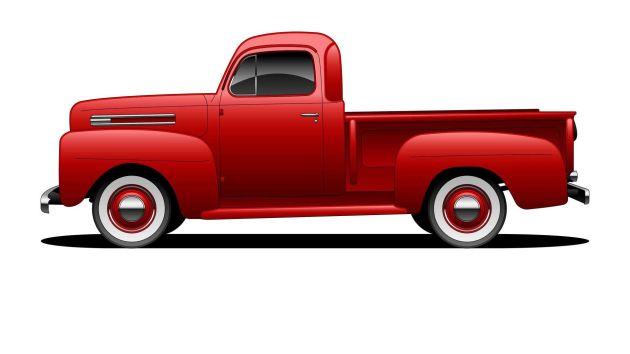
At first, it was just an ordinary truck F-1. At that time, Ford’s truck grade was very simple. F-1 occupied half the company’s tonnage, followed by three-quarters of the F-2 and a strong one-ton F-3. At that time, pickup trucks were trucks, providing drivers and passengers with seats, manual gearboxes, in-line six-cylinder or V8 engine choices, and other functions.
▼ The second generation: 1953 -1956
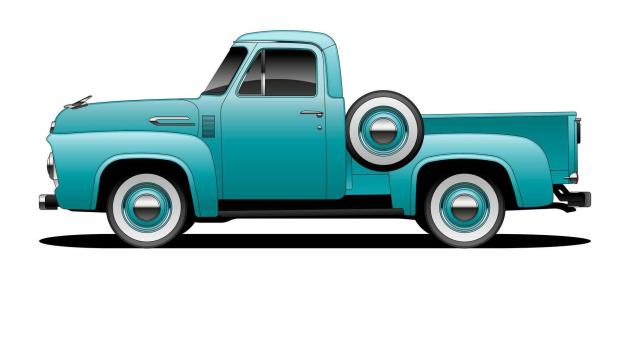
In the second generation, Ford expanded the pickup truck production line to the familiar mode, and the F-1 became the F-100. The redesigned pickup truck has a longer hood and an integrated body panel. In addition, the automatic gearbox option was introduced for the first time, and a decorative configuration with color keys was provided.
▼ The Third Generation: 1957-1960
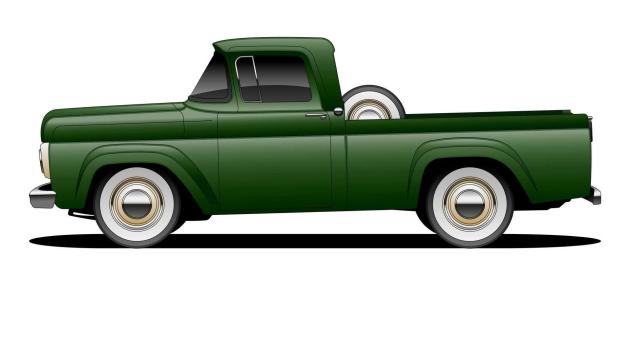
In the third generation, F-series pickup trucks also started from this generation, canceling many curve designs, preferring straight-line hard-core design language, and introducing a flat-style bed. The interior cab space has become larger, and four-wheel drive has been introduced for the first time.
▼ Fourth Generation: 1961 -1966
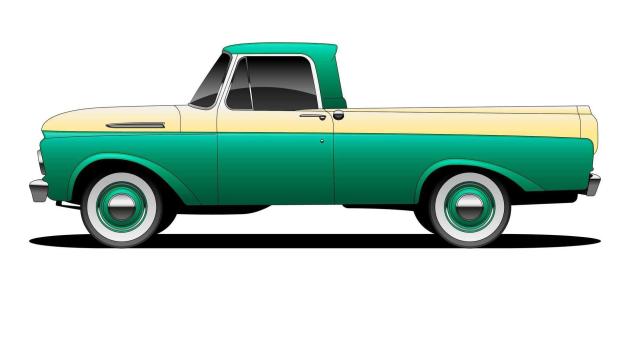
When the fourth generation came, Ford made a decision to make the fourth generation F-series pickup an integrated design, with its cab and chassis as a single part on the traditional frame, but this did not last long. In addition, the double I-beam front suspension has served Ford for many years, and power up steering and brakes have also become optional items, making pickup trucks easier in daily driving.
▼ Fifth Generation: 1967 -1972
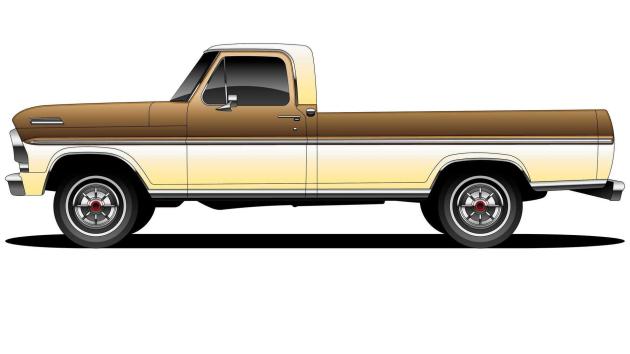
The fifth generation F-100 pickup truck has increased in size, including the wheelbase of the car body and the space size of the cab. In addition, the upgraded interior and the optional air conditioner have also made buyers pay attention to the comfort configuration in the car. In terms of power, the fifth generation F-100 pickup truck is equipped with some large engine systems.
▼ Sixth Generation: 1973 -1979
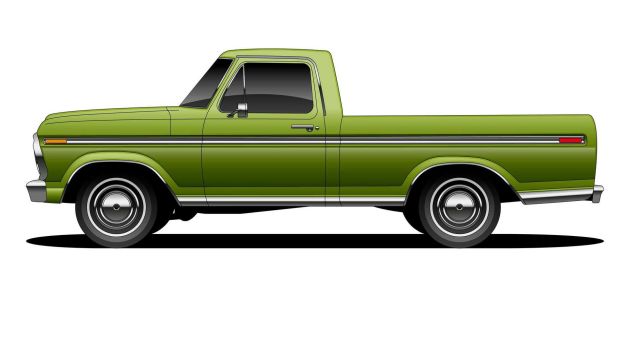
In the sixth generation, we finally welcomed the F150, which was launched as a heavy-duty half-ton pickup truck of Ford in 1975. This generation has also seen the advent of Ford’s extended Supercab model, which further shows that trucks are developing from work-based vehicles to home machine models.
Seventh generation: 1980 -1986
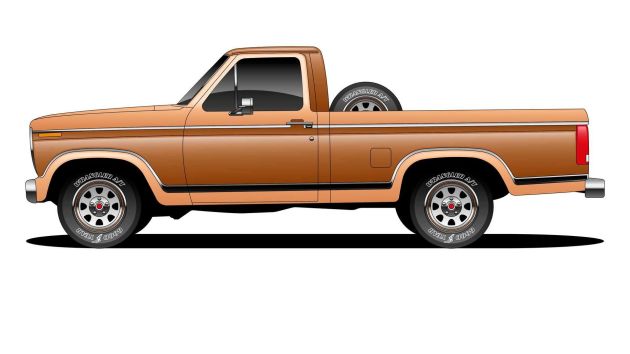
Although the F150 had arrived in the sixth generation, the F-100 actually lasted until the 1980s, when it was discontinued in 1984. It is reported that the F-series has consolidated its position as the best-selling truck in the United States, and made it a daily comfortable means of transportation with a brand-new body and chassis.
▼ Eighth Generation: 1987 -1991
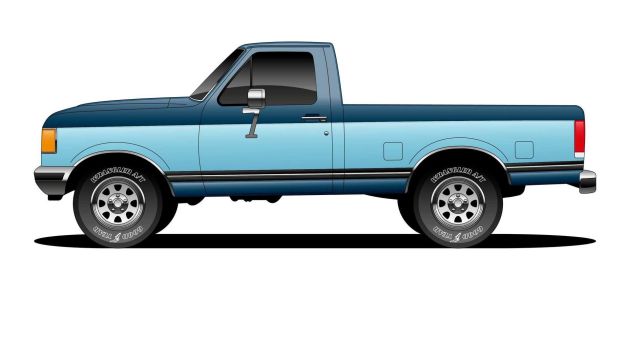
Since 1987, the F-150 has been redesigned based on the European theme, with smoother edges and softer body lines. The F-150 regained power under the hood, providing 210 horsepower in the optional 5.8-liter V8. The rear wheel anti-lock brake also appeared on the F series for the first time.
▼ Ninth Generation: 1992 -1997
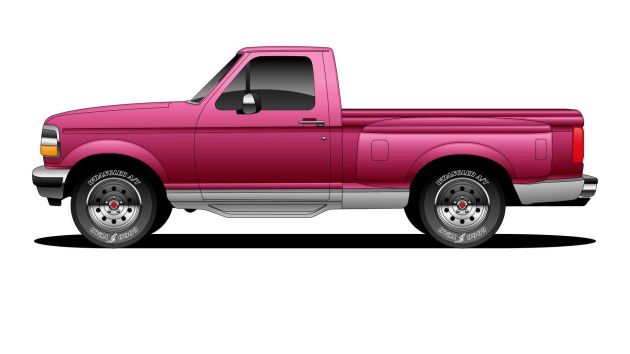
The ninth generation F-150 has been redesigned more comprehensively, but this generation of products has also seen a wealth of optional configurations such as leather interiors and Flareside beds. It also produced the performance-oriented SVT F-150 Lightning model in 1993, with an adjusted suspension and a 240-horsepower version of the 5.8-liter V8.
▼ 10th Generation: 1997 -2004
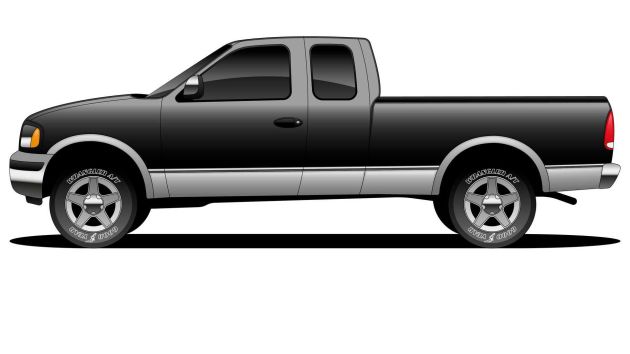
In the tenth generation, there are many things we should pay attention to. After a comprehensive redesign, the size of the F-150 has been increased, and at the same time, the 5.0-liter V8 and the double I-beam front suspension have been abandoned. In addition, this generation of pickup trucks also marks the departure of the body style between the F-150 and the heavy variant. The F-250 and F-350 adopt the side window design that is still notched in today’s F series. In terms of high performance, the last SVT Lightning truck withdrew from the market in 2004, pumping 380 horsepower from the supercharged V8.
▼ 11th Generation: 2005 -2008
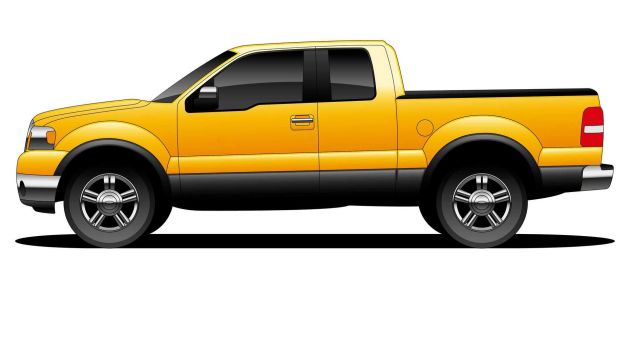
In the 11th generation F150 in 2005, we saw a bigger and rougher design language, and the whole vehicle design also drew more design inspiration from Super Duty truck. After the introduction of King Ranch template, the luxury of pickup truck came to life, and this pickup truck also had a strong drag and drag load capacity.
▼ 12th Generation: 2009 -2014
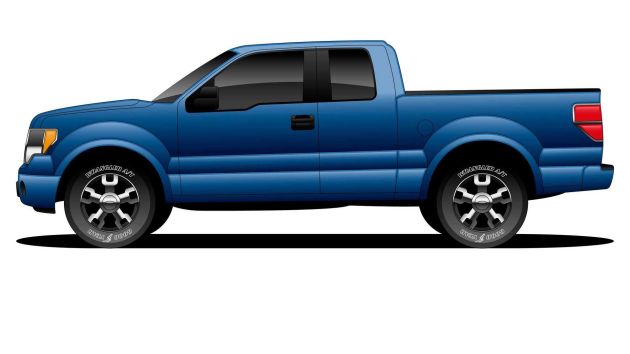
For the 11th generation, the 12th generation has undergone a relatively minor readjustment. Raptor has powerful V8 power and high-stroke suspension with soft suspension, aiming at sprinting the rugged and difficult path road conditions.
▼ 13th Generation: 2015 -2020
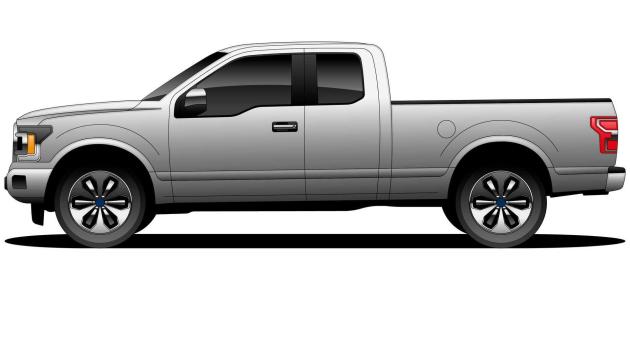
In 2015, the F-150 ushered in a major update, including the extensive use of aluminum in the body to reduce the weight of the vehicle. Although some aluminum sneaked into Ram 1500 and Chevrolet Silverado, it surprised Ford’s competitors.
▼ 14th generation: 2021-?
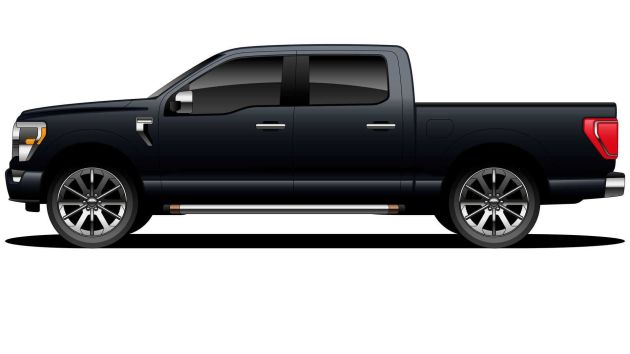
The 14th generation is still writing the story of this legendary and classic model, and it will be the first pickup truck model to provide power system. Since 1948, it must have come a long way, accompanied by the cargo bed in the back and the blue oval Ford badge in the front.
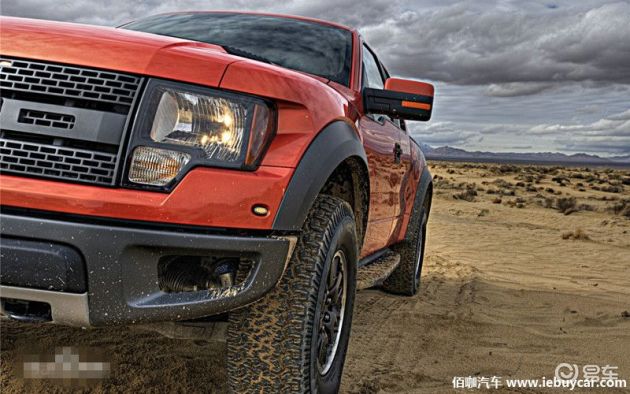
As the top ten best-selling cars in the United States, it has won the title of the best car in the United States for many years, and its sales volume has surpassed that of any other large truck brand. The classic story of Ford F150 continues to be written. As a fan of F150 pickup truck, you will certainly continue to look forward to its wonderful.
In order to respect originality, please indicate the source when reprinting. For more information, please pay attention to Baika Automobile.