Which hybrid technology is stronger? Take stock of the top five hybrid technologies of China brand.
Many years ago, the market was basically monopolized by THS.
The hybrid structure in the form of power split represented by THS, because of its existence, can not be used by other car companies except a few car companies that cooperate with it.
In order to avoid THS patents, many independent brands initially chose PHEV based on P2 hybrid structure when developing hybrid systems.
With the accumulation of experience and technological breakthroughs, China car companies have developed a variety of hybrid structures.
Today, let’s have a dish. What are the characteristics of the hybrid architecture of these five China car companies?
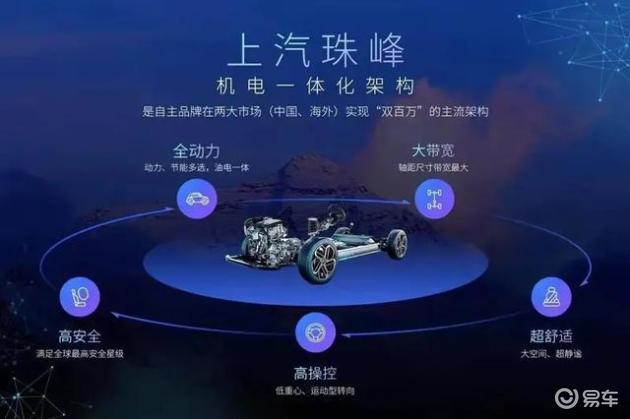
First, SAIC Roewe DMH
New energy plug-in hybrid star:The fourth generation of SAIC RoeweDMH dual-motor plug-in hybridChallenge BYD again.
As we all know, BYD is in the mixed world. However, there is another brand that you don’t know, which is the mixed technology of three generations. The first generation is a similar DM1 hybrid technology, the second generation is a unique hybrid technology with ISG, which is equivalent to BYD’s fourth generation DM4 technology, and the third generation is EDU’s oil-based very complicated single-motor mixed technology. Although the third generation of mixed technology is advanced, it has produced strategic mistakes. Like the first HEV, it made a strategic mistake. In the new energy era, it should not be based on oil, but on electricity. Fuel saving is the key. BYD’s strategy of focusing on electricity remains unchanged, and it has launched a 110km electric cruising range, so it has become the king of plug-in.
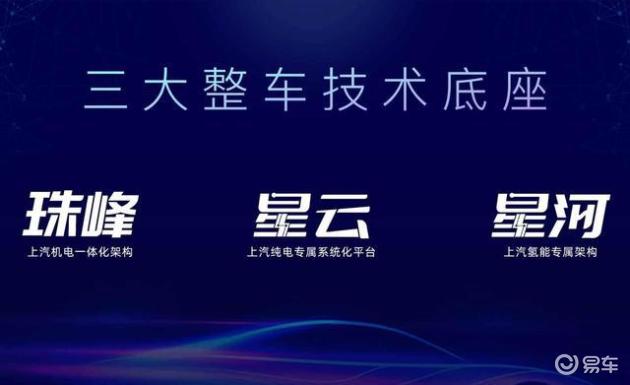
Now the fourth generation of SAIC is ready to make its debut, and the new generation of DMH dual-motor hybrid technology has strongly returned to the main track dominated by electricity. The thermal efficiency of its hybrid engine exceeds 43%, based on the hybrid technology of P1+P3 architecture.
SAIC’s fourth-generation plug-in hybrid technology will be first carried to Roewe D7 DMH, with a comprehensive cruising range of 1400km.
Characteristics of DMH, the fourth generation super hybrid technology of SAIC Roewe;
1. Adopt P1+P3 architecture.
2. Series-parallel connection mode, extended range+direct drive, urban low-speed extended range and high-speed engine direct drive.
3. The pure electric motor is in the first gear, and the engine is directly driven in the third gear, and the architecture is adopted (AT power flow is non-inductive).
Summary: low-speed and high-speed range extension saves fuel, high-speed direct driving force is sufficient, and fuel-saving power is given consideration! Shift smoothly without setbacks!
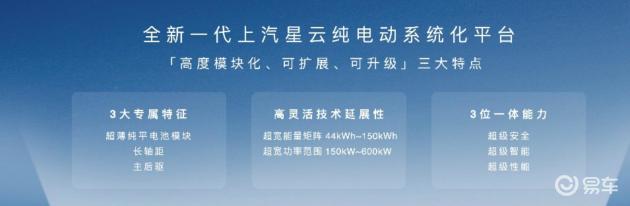
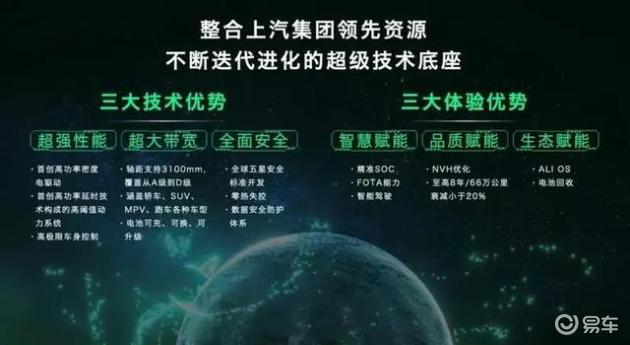
The fourth generation super hybrid technology of SAIC Roewe: DMH dual-motor hybrid technology, which hasUltra-long battery life, ultra-low fuel consumption and super quiet.Three core advantages, the comprehensive cruising range of more than 1400 kilometers is its most noteworthy strength!
DMHDual-motor hybrid technology includes a new hybrid special engine, which exceeds 43%, and the optimal comprehensive efficiency speed range is wider, which can realize full-speed domain and full-scene intelligence and efficiency.
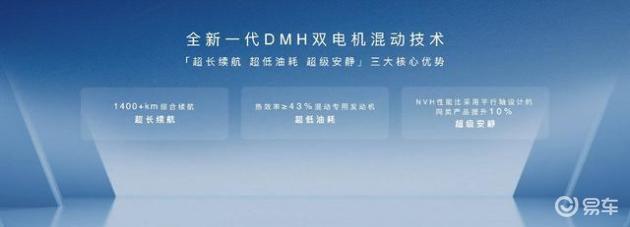
In addition, the engine and the immersed oil-cooled motor adopt coaxial structure design, and its NVH performance is improved by more than 10% compared with similar products with parallel shaft design, which can bring more comfortable and quiet driving experience.
As for the whole new generation Rubik’s Cube battery system, it can support various battery configurations such as lithium ternary system, and adopt efficient and safe CTP technology, innovative lying layout, plus the application of zero-combustion technology, through the five-fold protection mechanism, it can build a solid and reliable security line.
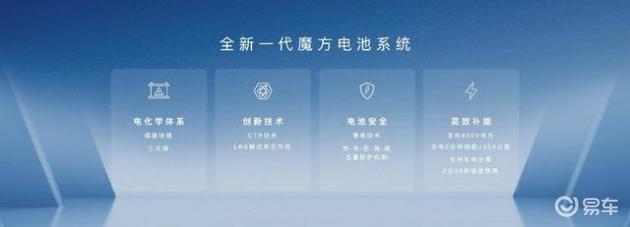
The new generation of Rubik’s cube battery system is also compatible with the leading charging technology, which can support 800V fast charging, achieve the purpose of increasing the battery life by 200 kilometers after charging for 5 minutes, and also support the fastest battery change in only 2 minutes and 30 seconds!
Second, BYD DM-i
Comment in a word: DM-i is actually a series+parallel architecture.
The system can be driven by electric power depending on the driving motor and large-capacity battery. And its engine can not only generate electricity for the battery in series, but also drive the wheels directly or together with the motor in parallel.
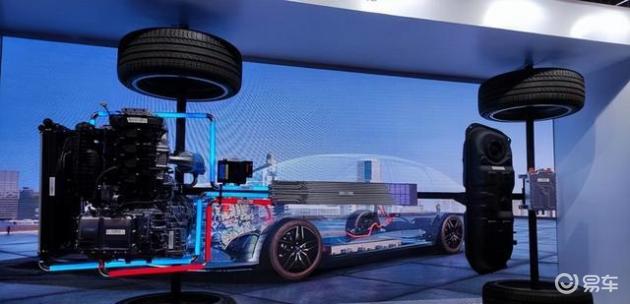
However, BYD’s DM-i hybrid system puts more emphasis on the weight position of electric drive.
For example, in the stop-and-go working conditions in cities, the engine rarely drives the vehicle alone or together with the motor, but only plays the role of generating electricity, so that the motor can drive it, thus saving energy consumption.
In high-speed scenes, although the engine will directly participate in driving the wheels, the motor will also play an auxiliary driving role.
Therefore, on the whole, the DM-i hybrid architecture is to let the motor drive the vehicle as much as possible, and the engine is only driven when the power is deficient or the motor consumes a lot of energy when the vehicle speed is high. On the whole, DM-i has the advantages of low speed and low fuel consumption, but the risk of high-speed stall is inevitable.
Third, Geely Raytheon Hi·X
Comment in a word: it is the consensus of many car companies to add, series and parallel hybrid solutions on the basis of BYD DM-I.
Because of this hybrid structure, the high energy consumption range of fuel and motor can be avoided at the same time, and high efficiency can be ensured under various working conditions such as low speed and high speed.
The Hi·X system from Lei Shenqing also uses this concept.
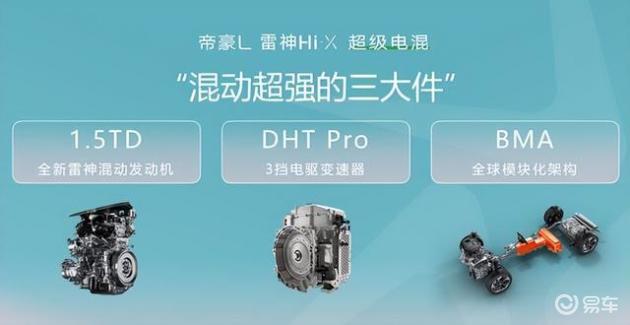
The core system of the Hi·X system is composed of an engine, two motors (a generator and a driving motor), a gearbox (1st gear/3rd gear), a battery and an electronic control system. Among them, the working principle of the Hi·X system with single gear is basically the same as that of the DM-i hybrid system, so I won’t go into details here.
The main feature of Lei Shenqing Hi·X system lies in the 3-speed gearbox, that is, the DHT Pro version.
In parallel (engine direct drive) mode, the engine can be driven as long as the speed reaches above 20Kph. In contrast, the engine direct drive speeds of DM-i and i-MMD are above 70Kph and 80Kph respectively.
With the increase of speed, the engine gear will also increase, which can reduce the speed and control the fuel consumption in direct drive mode.
Therefore, on the whole, the acceleration performance of Hi X (DHT Pro) will be more excellent and the fuel consumption will be fully reduced in theory.
However, due to the existence of the 3-speed gearbox, this system also has the possibility of squatting and rushing during gear shifting.
Fourth, Great Wall Lemon DHT&Hi4;
In a word: provide a more efficient four-wheel drive solution.
In fact, the basic working logic of the hybrid system created by the Great Wall Lemon Hybrid Platform is similar to the multi-gear DHT mode of Lei Shenqing Hi X.
It is also through the way of series+series+multi-gear gearbox to bring diversified driving modes and improve the efficiency of the power system.
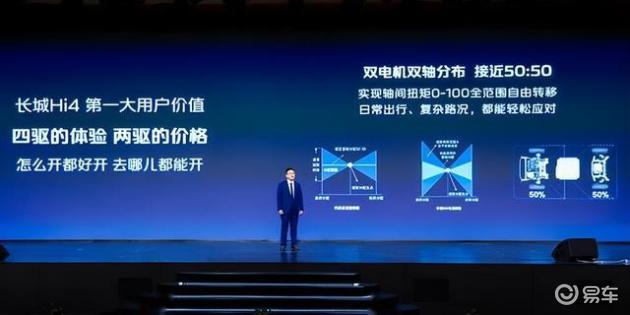
However, compared with the Lei Shenqing Hi·X hybrid system, the Great Wall lemon DHT hybrid gearbox has fewer gears, only two gears. That is, high gear and low gear, in the mode of engine direct drive, the speed and torque of the engine can be adjusted by different transmission ratios.
Compared with the current lemon DHT hybrid system, the latest Hi4 hybrid system released by Great Wall is more interesting.
Compared with DHT, the Hi4 hybrid system is equipped with an electric drive assembly, which can distribute the torque through the iTVC system, thus achieving a more efficient and intelligent four-wheel drive mode.
It is reported that in the future, the Great Wall will provide Hi4 hybrid systems for various models, and realize the comprehensive four-wheel drive of hybrid models.
V. Chang ‘an Zhidian iDD
Comment in a word: It seems "old", but it is simple and effective.
Not long ago, "The Second Bomb of Smart Electricity Night in the Era of Wisdom" kicked off.
In this activity, Changan Automobile brought UNI-V Smart iDD, UNI-K Smart iDD, the third generation CS75 PLUS Smart iDD and Z6 Smart iDD and other vehicles equipped with iDD hybrid systems in one breath.
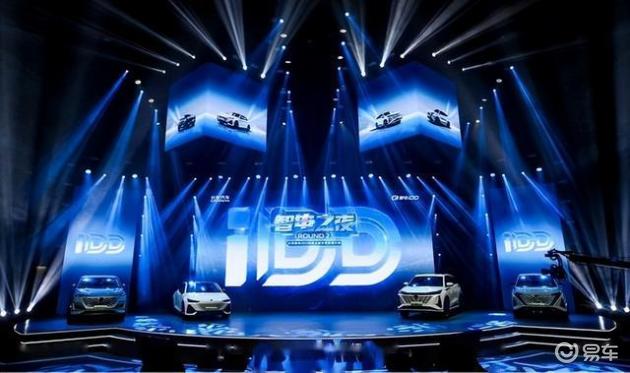
In fact, compared with the current mainstream hybrid structure of independent brands, Changan iDD, a hybrid system based on P2 structure, may seem a bit "outdated" literally.
But is it really backward? Let’s analyze it from the structure first.
Simply put, the P2 hybrid structure is based on the engine+gearbox of a fuel vehicle, and the hybrid evolution is realized by adding a drive motor and a "three-clutch" device between the two.
In terms of working logic, the core of iDD’s hybrid drive is the "three-clutch" device.
In short, this system integrates the clutch (K0) used to control the engine intervention with the traditional dual clutch (K1, K2). When driving in pure electric mode, the K0 clutch is disconnected, and the motor drives the gearbox to transmit power to the wheels. After the K0 clutch is engaged, various modes such as single engine drive, parallel engine motor drive and engine power generation can be realized.
In the actual performance, we take Changan UNI-K Zhidian iDD as an example, which can get a cruising range of 130Km in the state of pure electricity. Moreover, in the feed state, the comprehensive fuel consumption per 100 kilometers of the vehicle is only about 5L, and the maximum cruising range in HEV mode can reach 1100Km. From the point of view of efficiency, although it is a P2 hybrid architecture, iDD also achieves the advantage of low fuel consumption. It can be seen that the P2 hybrid architecture is not old, but before that, the potential of this hybrid architecture has not been stimulated. In order to stimulate the potential of P2 hybrid architecture, Changan Automobile has made sufficient optimization in engine and motor.
As you can see, today’s hybrid car market in China is already full of flowers. Among the five mainstream hybrid systems counted today, most of them are optimized and supplemented on the basis of DHT strong mixing, and on the basis of years of positive research and development, after multi-dimensional optimization, these hybrid structures not only have mature and reliable advantages, but also have a further level of efficiency in actual performance, which can create direct user value for consumers!
At present, SAIC Roewe, BYD, Geely and Great Wall have come up with good answers, but they still have a little PPT to build cars with Changan. Anyway, I still hope that independent brands can flourish in the new energy era and really make good cars that consumers can rest assured.
Of course, it also needs special statement, and the above technical analysis can only be used as a reference. After all, as a hybrid car user, you should have the professionalism of "seeing the efficacy without watching advertisements".A product is a horse, you can’t know until you try it.