How does China-ASEAN Expo promote the high-quality development of the "Belt and Road"

  ASEAN countries are located at the intersection of land and sea in the Belt and Road Initiative, and are key areas for high-quality joint construction of the Belt and Road Initiative. In the past 10 years since the Belt and Road Initiative was put forward, from economic and trade exchanges to cultural exchanges, China-ASEAN Expo’s circle of friends has become larger and larger, and its outward attraction has become stronger and stronger.

  — — — — — — — — — —

  The 20th China-ASEAN Expo came to an end not long ago, but the vision of China and ASEAN countries meeting challenges together and building a closer China-ASEAN destiny community is inspiring people to move forward.

  "This year, the Chairman of the Supreme Leader proposed to build a closer China-ASEAN destiny community and jointly build ‘ Belt and Road ’ The 10th anniversary of the initiative is also the 20th anniversary of the founding of China-ASEAN Expo and China-ASEAN Business and Investment Summit (hereinafter referred to as "China-ASEAN Expo" and "Summit" respectively). China — Wei Zhaohui, Secretary-General of the ASEAN Expo Secretariat, said that since China-ASEAN Expo and the Summit were held for 20 years, the bilateral trade volume between China and ASEAN has grown at an average annual rate of more than 13%, which has promoted the two sides to become each other’s largest trading partners and the most active partners in mutual investment, and helped to build a new pattern of China-ASEAN opening up at a higher level.

  According to Xu Ningning, executive director of the China-ASEAN Business Council, ASEAN countries are located in the land-sea intersection of the "Belt and Road" and are key areas for building the "Belt and Road" with high quality. In the 10 years since the "Belt and Road Initiative" was put forward, China-ASEAN Expo has closely followed China — The needs of the times of ASEAN cooperation, constantly expand the functions of the platform, and promote the implementation of China — A series of consensus documents, joint statements and action plans reached by ASEAN have deepened China’s trade, investment, interconnection and regional cooperation with ASEAN countries, which is also the way to China-ASEAN Expo’s enduring success.

  Inter-regional complementary resources promote active investment and trade.

  The theme of the 20th China-ASEAN Expo is "Building a Home with Harmony, Destiny and Common Future — — Push ‘ Belt and Road ’ High-quality development and building an economic growth center. " At the meeting, many exhibitors expressed that they felt the dividends brought by the complementary market resources and factor flow between China and ASEAN. Zhu Qiugen, from Xishuangbanna, Yunnan, talks about tea at the exhibition during the day and packs tea for customers from all over the world in the hotel at night.

  This year is his second time in China-ASEAN Expo, and he found that many tea lovers used to look at the price but now at the quality. "More and more customers have found me for the fragrance of tea, and people who understand the good products have found it. This change is more gratifying than how much tea I have sold."

  Zhu Qiugen deals in ancient tea from Laos. The local tea garden employs local people to pick fresh tea and process it into "wool", and then it is transported to Xishuangbanna via China-Laos Railway for further processing to make a series of products such as tea cakes and tea bricks. Zhu Qiugen also founded the brand of "Laos Ancient Rhyme Tea Industry".

  In recent years, thanks to the convenience of transportation and policies, Zhu Qiugen went deep into the country of origin and built a relatively complete industrial chain from picking, research and development, production and sales. "Let customers drink a cup of ancient tree tea that really comes from the mountains, without middlemen." In this way, the quality and cost have been well controlled.

  The tea consumption market in China is huge, and the demand for high-quality tea has become a trend. Zhu Qiugen thinks that tea is a gentle lifestyle and a product that pursues quality of life. However, the domestic resources for picking ancient tree tea are limited, and some merchants have false propaganda and shoddy to some extent, which makes many consumers hesitate to buy.

  In 2015, Zhu Qiugen just arrived in Laos, and he was doing hotel business at that time, but soon the local ancient tree tea fragrance caught his attention. In Laos, the unique and closed natural environment creates the good quality of Laos ancient tree tea, but these teas are mostly sold as agricultural products. "Laos has raw materials, and China has a market, so the connection naturally arises." Zhu Qiugen said.

  With the opening of China-Laos Railway, Zhu Qiugen’s tea business has more convenient transportation conditions. If the tea is to be sold to Nanning market, Zhu Qiugen will choose to go by sea through Vietnam, which is "more cost-effective".

  Guangxi is the only land-sea connecting region between China and ASEAN. The coastal, border and riverside areas of China-ASEAN Industrial Cooperation Zone are the frontier and window of Guangxi’s opening to the outside world. Relying on the existing parks in Nanning, Beihai, Fangchenggang, Qinzhou, Yulin, Baise and Chongzuo, Guangxi has integrated the construction of China-ASEAN Industrial Cooperation Zone, creating a development pattern of "one city, one area, one park". At present, many areas in the cooperation zone have achieved seamless traffic connection with ASEAN countries. For example, Chongzuo area is 180 kilometers away from Hanoi and Nanning, the capital of Vietnam, and there are four national first-class ports around it, which is the most convenient land international passage from China to Indo-China Peninsula.

  "In July this year, Liuzhou Economic and Trade Delegation and 32 key enterprises went to Southeast Asia to carry out economic and trade exchange activities." Yao Fang, deputy director of the Management Committee of Liuzhou Economic and Technological Development Zone, said that the well-known domestic new energy automobile brands with factories in Liuzhou have actively gone abroad, and now they have sales markets in 72 countries and regions around the world.

  The vigorous market demand drives the pace of transportation infrastructure construction. Sima Zhe, senior economist of the Asian Infrastructure Investment Bank and head of the ecosystem of the Ministry of Economic Affairs, said that in 2021, the AIIB provided 300 million US dollars to support the improvement project of border connectivity in Chongzuo, Guangxi, which improved the efficiency of cross-border connectivity around Shuolong Port and strengthened the economic and trade activities between China and Viet Nam.

  In terms of commodity trading, the exchanges between Guangxi and ASEAN have become increasingly close. Guangxi is rich in commodity resources, with the output of white sugar, wood and raw silk ranking first in the country, and the output of alumina, pigs, pulp, Chinese herbal medicines and non-ferrous metals ranking first in the country. At the same time, Guangxi is also an important import port for ASEAN-specific commodities such as wood, non-ferrous metals, oil and gas, coal and fruits.

  Li Kaizhou, deputy director of the local financial supervision bureau of Guangxi Zhuang Autonomous Region, said that in recent years, Guangxi has seized green opportunities, deepened cooperation with ASEAN, built a pilot free trade zone with high quality, and actively created a convenient place for domestic and international dual-cycle markets. The construction of new land and sea channels in the west has been accelerating. From January to July this year, Guangxi’s import and export to ASEAN was 188.08 billion yuan, a year-on-year increase of 71.6%.

  Adhere to joint business and win-win sharing.

  Wei Zhaohui, Secretary-General of China-ASEAN Expo Secretariat, said that since the China-ASEAN Expo and China-ASEAN Investment Summit were held 20 years ago, 196 Chinese and foreign leaders, more than 4,100 ministerial-level VIPs and heads of international organizations attended, which was accompanied by friendly relations between China and ASEAN and grew together with the construction of China-ASEAN Free Trade Area.

  "China-ASEAN Expo has been successfully held for 20 years in a row, thanks to the unique exhibition mode. This is the successful password for China-ASEAN Expo to do something new and better." Wei Zhaohui introduced.

  Adhere to business cooperation and win-win sharing, adhere to the principle of not making profits for ASEAN countries, respect ASEAN’s opinions on major issues, and give priority to meeting ASEAN’s needs in terms of booth arrangement. In this China-ASEAN Expo, the scale and proportion of ASEAN exhibitions remain the largest in China International Exhibition, and seven countries including Indonesia, Malaysia and Viet Nam have resumed their pavilions and restored ASEAN’s "Charming City" exhibition area.

  Wei Zhaohui introduced that in all aspects of exhibition preparation, we should respect the ASEAN way, take care of ASEAN wishes, and always adhere to the value concept of "10+1>11". The ministers of economy and trade of China and 10 ASEAN governments and the ASEAN Secretary-General will serve as co-directors of the organizing committee, the directors of departments in charge of various countries will serve as deputy secretaries-general, and the directors will serve as liaison officers. Major issues will be discussed by the organizing committee meetings and senior officials meetings.

  "International Friendship City Entering Dongbo" is also a highlight of the exhibition in recent years. According to the data of Foreign Affairs Office of Guangxi Zhuang Autonomous Region, at present, Guangxi has concluded 128 pairs of international sister cities with 39 countries, ranking fourth in the country. During this visit to China-ASEAN Expo, more than 30 sister cities from nearly 20 countries participated in the exhibition with their own special products.

  "Before, our market was mainly concentrated in Jiangsu, Zhejiang and Shanghai. I never thought that the products could radiate to the inland of China and even ASEAN countries." Hong Yongwang, representing Zaragoza, Spain, said that Zaragoza and Yulin, Guangxi Zhuang Autonomous Region are international sister cities. Entrusted by the Zaragoza municipal government, Hong Yongwang brought more than 160 products including red wine, ham and olive oil to the site in China-ASEAN Expo.

  Last year, the double-deck sinking square of Nahong Interchange Station of Nanning Metro, designed and built jointly by Nanning and Crema, Italy — — Friendship City Metro Plaza was officially completed, becoming the first subway station space in China that was fully decorated and designed by International Friendship City. At this year’s China-ASEAN Expo, exhibitor Zhang Xiaowei brought a painting entitled "Table Culture" to the scene to explain the Italian wine culture to the audience, and the author of this painting, Marilisa Leon, is the designer of the subway station space. Stephania Bonaldi, mayor of Crema, Italy, commented: "The design of the square is closely related to the theme of the Silk Road, which has brought the cultural ties between China and Italy closer and the two countries and peoples closer."

  Institutional opening stimulates new kinetic energy of cooperation

  From economic and trade exchanges to cultural exchanges, China-ASEAN Expo’s circle of friends is getting bigger and bigger, and its outward attraction is getting stronger and stronger. In the process of cooperation between China and ASEAN countries, many institutional and mechanistic modes of cooperation and dialogue have gradually taken shape.

  During this year’s China-ASEAN Expo, a side event on the theme of "Institutional Opening: A New Pattern of Regional Economic Development" was held for the first time, and the "ASEAN National Standardization Cooperation and Exchange Center" was officially unveiled. The ASEAN cross-border e-commerce digital intelligence service platform and the e-commerce exchange center of the digital economy industrial park were announced to be open.

  According to customs statistics, from January to August this year, the total import and export value of China to countries that jointly built the Belt and Road Initiative reached 12.62 trillion yuan, up 3.6% year-on-year, of which food trade reached 553.82 billion yuan, up 10.4% compared with the same period of last year and 162% compared with the same period of 2013. On the eve of the opening of China-ASEAN Expo, the Nanning Declaration on Customs Food Safety Cooperation on the Belt and Road was issued, and all parties signed the articles of association of the cooperation mechanism.

  The perfection of the mechanism and articles of association aims at more convenient, long-term and stable factor flow. It is the consensus of many enterprises that "there is vitality when there is mobility, and there is market when there is mobility".

  Last year, Guangxi Xinzhong Industrial Investment Co., Ltd. cooperated with the secretariat of China-ASEAN Expo to build a China-ASEAN special commodity gathering center. He Yan, the company’s deputy general manager, hopes that after participating in China-ASEAN Expo, economic and trade activities will continue for a long time through 17 offline pavilions and online platforms, and continuous economic and trade exchanges will take place with ASEAN countries in 365 days.

  The international situation is complex and changeable, but the potential of the ASEAN market is constantly being released. "The number of ASEAN regional offices has grown particularly fast, exceeding our growth rate in China." Through this detail, Bo Yu, managing partner of PricewaterhouseCoopers Consulting (Shenzhen) Co., Ltd., found that the ASEAN market is being regarded as a growth point in the future, both in China and the world.

  Bo Yu further analyzed that people value the population and future growth of ASEAN, and the population structure is relatively young. He believed that Guangxi should make good use of the role of "bridgehead".

  As an Indonesian enterprise, Jinguang Group has been rooted in China for more than 30 years. Zhai Jingli, vice president of Jinguang Paper (China) Investment Co., Ltd., a subsidiary of Jinguang Group, believes that enterprises can make use of the cumulative rule of regional origin of RCEP and the advantage of the shortest and most convenient industrial supporting distance between Guangxi and ASEAN to expand the ASEAN market and play a good "ASEAN brand".

  At present, some ASEAN countries have many environmental problems, such as soil degradation, water shortage and air pollution, which have affected local agricultural production and tourism and damaged local economic development to some extent. With the increasing demand for environmental protection in ASEAN countries, China’s environmental protection industry has gradually entered the ASEAN market. Hong Tao, director and professor of business economics research at Beijing Technology and Business University, pointed out in the China-ASEAN Forum on Innovation and Development of Commodity Trading that the effective implementation of RCEP has provided new impetus and cooperation foundation for promoting green recovery of regional economy, low-carbon development and global economic recovery, and reduced the cost of environmental protection industry in China.

  In the past 20 years, the cooperation between China and ASEAN in the field of energy and electricity has been equally fruitful. By the end of August this year, China Southern Power Grid had been connected with the power grids of ASEAN countries through more than 10 circuits of 110 kV and above, achieving a total cross-border two-way power trade of nearly 70 billion kWh, of which clean energy accounted for over 90%. Hu Tianxiang of China-ASEAN Expo and china huadian Guangxi Company introduced that china huadian has invested in 9 projects under construction in ASEAN, with an installed capacity of 4.66 million kilowatts. In Cambodia, china huadian is the largest foreign power generation operator in Cambodia with an installed capacity of 1.038 million kilowatts under construction.

  RCEP has entered a new stage of full entry into force and implementation, constantly releasing the strategic potential of economy and trade. Zhou Shi, a researcher and deputy director of the Research Office of the Market and Price Research Institute of the National Development and Reform Commission, believes that the import and export of Hunan and ASEAN countries in China increased by more than 70% in the year when RCEP was implemented, and the import and export of Guangxi to ASEAN countries also increased by 71.6% from January to July this year.

  In the face of the current complicated and changeable international situation, many exhibitors realized that China and ASEAN are opportunities for mutual development and have great potential for cooperation. China was the first big country to sign and join the Treaty of Amity and Cooperation in Southeast Asia. In 2021, China and ASEAN upgraded their bilateral relations to a comprehensive strategic partnership.

  Jiangsu Furen Group’s booth area in the 20th China-ASEAN Expo was not large, but the personnel in charge of market, operation and technology all came to the scene in order to better understand the ASEAN market and enterprises. In 2014, Jiangsu Furen Group held Jiangsu Xuzhou Forging Machine Group Co., Ltd., and two years later, it successfully acquired German EBU Forming Technology Co., Ltd. "This also marks that China Press has begun to rank among the world’s advanced manufacturing." Li Wei, deputy general manager of Xuforging Group, said that due to the rapid development of Thailand’s automobile industry in recent years, many internationally renowned automobile companies have invested and built factories in Thailand, and the export of intelligent forging equipment of Xuforging Group to Thailand has also increased by 20%-30%.

  "The ASEAN market is becoming a new strategic growth point, especially in terms of labor structure, operating costs and market potential. The implementation of RCEP has also provided us with a stable and efficient supply chain network." Li Wei is full of expectations for the development of enterprises in the ASEAN market and the prospect of international cooperation. "We will also continue to enhance the technological breakthrough capability of intelligent manufacturing and better go abroad." (Zhongqing Daily Zhongqing Net Trainee Reporter Wang Junli Reporter Xie Yang Intern Zheng Quan)
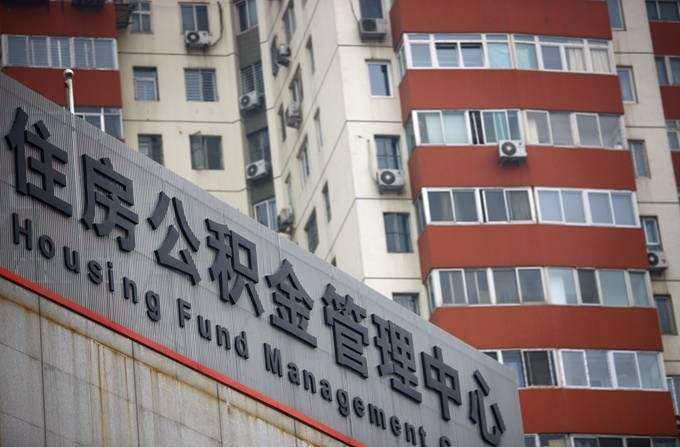
Raise the upper limit of the monthly deposit of housing provident fund in many places and standardize the deposit ratio.

  Xinhuanet Beijing, July 3 (Reporter Li Zhiqiang) From July 1, many places began to implement the new year’s housing provident fund deposit policy: the implementation period of the policy of reducing the proportion of enterprise housing provident fund deposit was extended to April 30, 2020, the proportion and upper and lower limits of housing provident fund deposit were standardized, and the upper limit of provident fund deposit base or the upper limit of monthly deposit was adjusted. Enterprises with difficulties in production and operation can apply for reducing the proportion of housing provident fund deposit or delaying payment.

  Reduce the proportion of enterprise housing provident fund deposit and extend the period

  Recently, housing provident fund management departments in Beijing, Nanjing, Harbin and other places issued notices to strictly implement the Notice on Improving the Housing Provident Fund Deposit Mechanism to Further Reduce Enterprise Costs issued by the Ministry of Housing and Urban-Rural Development, the Ministry of Finance and the People’s Bank of China in April this year. In order to reduce the cost of the real economy and reduce the non-tax burden of enterprises, the policy of appropriately reducing the proportion of enterprise housing provident fund deposit in stages was extended to April 30, 2020.

  In April 2016, the Ministry of Housing and Urban-Rural Development, the National Development and Reform Commission, the Ministry of Finance and the People’s Bank of China jointly issued a document clarifying that the policy of appropriately reducing the proportion of housing provident fund contributions in stages will be implemented from May 1, 2016, and will be temporarily implemented for two years.

  Standardize the deposit ratio and upper and lower limits of housing provident fund

  The notice issued by the Ministry of Housing and Urban-Rural Development and the Ministry of Finance in April this year once again standardized and adjusted the deposit ratio of housing provident fund and expanded the floating range of the deposit ratio of housing provident fund. The lower limit of the housing provident fund deposit ratio is 5%, and the upper limit is determined by each region according to procedures, but the maximum shall not exceed 12%. The deposit unit can independently determine the proportion of housing provident fund deposit within the upper limit range of 5% to local regulations; Effectively standardize the upper limit of the housing provident fund deposit base. The monthly salary base of local housing provident fund deposit shall not be higher than 3 times the average monthly salary of employees in the previous year published by the statistical department of the city where the employees work. Where more than 3 times, will be standardized and adjusted.

  According to the spirit of the notice, all localities can be in 12%— 5% within the scope of the upper and lower limits, decide the upper and lower limits of the local provident fund deposit ratio. Across the country, Beijing, Nanjing, Xi ‘an, Qingdao, Yangzhou and other cities have made it clear that the upper and lower limits of the proportion of housing provident fund paid by units and employees themselves are 12%— 5%。 In some areas, the upper and lower limits are limited according to local actual conditions. For example, Jilin province stipulates that the upper and lower limits of the housing provident fund deposit ratio are 7% in principle. Shanghai has made it clear that in 2018, the contribution ratio of employees and units to housing provident fund is 5% to 7% respectively, and units can independently determine the contribution ratio of provident fund within the range of 5% to 7% respectively.

  Raise the upper limit of the monthly deposit of housing provident fund in many places

  The upper limit of the monthly deposit of housing provident fund is determined by the upper limit of the deposit base, which is linked to the average salary of employees in the previous year. According to the notice of the Ministry of Housing and Urban-Rural Development and other three departments, the upper limit of the deposit base of provident funds in various places is three times the average monthly salary of local employees in the previous year.

  Recently, the housing provident fund management departments in many places have issued notices one after another, clearly stipulating the upper limit of the individual housing provident fund deposit base or the upper limit of the monthly deposit amount in the new provident fund year (July 1, 2018 to June 30, 2019). If Beijing is clear, the upper limit of the deposit base of housing provident fund in the new year is 25,401 yuan, and the upper limit of the monthly deposit is 6,096 yuan. Guangzhou and Tianjin, both first-tier cities, issued a document clarifying the upper limit of the monthly deposit base of the provident fund, which is 24,654 yuan and 24,240 yuan respectively. Nanjing has made it clear that the upper limit of the provident fund deposit base is 25,300 yuan.

  With the increase of the average wage of employees in last year, according to statistics, from a national perspective, the upper limit of the monthly deposit of housing provident fund in a few cities such as Beijing, Nanjing, Jinan and Lishui exceeded 6,000 yuan (corresponding to the deposit base of provident fund of 25,000 yuan). Among them, the upper limit of the monthly contribution of the provident fund in Jinan and Lishui exceeds that in Beijing.

  Enterprises with difficulties in production and operation may apply for reducing the deposit ratio.

  The housing provident fund management departments in many places issued a notice saying that enterprises with production and operation difficulties that meet the prescribed conditions can apply for reducing the proportion of housing provident fund deposit or delaying the payment of housing provident fund according to procedures.

  Beijing has clarified the specific conditions for enterprises to apply for reducing the proportion of provident fund deposits or delaying payment. For enterprises with difficulties in production and operation, if there is no workers’ congress or trade union through discussion, with the consent of more than two-thirds of all employees, they can apply for reducing the proportion of housing provident fund deposit or applying for holdover within 1%-4%.

  According to Shanghai regulations, enterprises with difficulties in production and operation that meet the prescribed conditions may apply for reducing the proportion of housing provident fund deposit or delaying the payment of housing provident fund. Enterprises can apply to reduce the deposit ratio to less than 5%. Enterprises applying for reducing the deposit ratio or holdover of housing provident fund shall be discussed and approved by the workers’ congress or trade union of the unit and apply to the municipal provident fund management center.

  Tianjin stipulates that enterprises with difficulties in production and operation can apply for reducing the deposit ratio after discussion and approval by the workers’ congress or the workers’ congress (trade union), and the reduction ratio will be adjusted from the current 5% for the unit and 5% for the employees to 1% for the unit and 1% for the employees. At the same time, the requirement of "loss in the previous year" for applying for reducing the proportion will be cancelled.

  Nanjing stipulates that if it is really difficult for an enterprise to make a deposit, it may reduce the deposit ratio or postpone the payment after being discussed and approved by the workers’ congress or the trade union of the enterprise and audited by the Nanjing Housing Provident Fund Management Center (sub-center). After the economic benefits of the enterprise improve, the deposit ratio will be increased or the deposit will be resumed and the deferred payment will be paid. The minimum deposit ratio shall not be less than 5%.

The first suggestion

As an important popular project of the country in recent years, the renovation project of old urban communities has faced the pain points of people’s livelihood and achieved positive results, which greatly improved the happiness of the beneficiaries. However, the total demand for funds for the renovation of old residential areas is relatively large. At present, various localities are raising funds through multiple channels, but there are still problems such as the overall shortage of funds, the "unaffordable" financial funds, the reluctance of residents and society to invest, and the lack of funds for later management and protection.

What should be changed in the renovation of old residential areas?

According to the relevant person in charge of the Ministry of Housing and Urban-Rural Development, the renovation of old residential areas is divided into three priorities, one is the most basic water circuit gas network. The problems listed as "priority transformation" in various places are "dilapidated pipe network, lack or aging of water supply and drainage, power grid, gas and optical fiber". Second, elevators, parking garages and other supporting facilities. After the water and electricity are changed, the qualified areas can install elevators and build parking garages and other supporting facilities according to local conditions. The third is property management and public services. Conditional areas can solve the problems of water and electricity and parking, build supporting facilities such as old-age and child-care service facilities and barrier-free facilities, and implement energy-saving transformation.

After the renovation of the old community, the old building is equipped with elevators to make the residents no longer "suspended"; In the past, the ground where rain and sewage flowed was covered with colored cement; In the past, the open space full of weeds and garbage has now become a pavilion for people to rest. Various changes in the community have improved the happiness of residents. At the same time, the transformation of old residential areas has not only improved people’s livelihood, but also promoted investment and consumption growth, which has also made great contributions to economic growth.

Sources of funds for the renovation of old residential areas

The soldiers and horses have not moved, food and grass come first, and the funds needed for the transformation of old communities are the top priority. According to the contents of rectification, financial investment, house payment, special housing maintenance fund, personal provident fund, responsible enterprise funds and social investment can be used for the transformation of old residential areas. Mainly divided into the following parts:

First, the central government’s financial investment. In 2012, the Ministry of Housing and Urban-Rural Development issued the Interim Measures for the Administration of Subsidies for Energy-saving Renovation of Existing Residential Buildings in Hot Summer and Cold Winter Areas and the Implementation Opinions on Promoting Energy-saving Renovation of Existing Residential Buildings in Hot Summer and Cold Winter Areas. Subsidies for energy-saving renovation of existing residential buildings in hot summer and cold winter areas include four aspects: expenditure on energy-saving renovation of external doors and windows of buildings; Expenditure on energy-saving renovation of building external shading system; Expenditure on thermal insulation and energy-saving renovation of building roofs and external walls; Other expenditures related to energy-saving renovation of existing residential buildings in hot summer and cold winter areas approved by the Ministry of Finance and the Ministry of Housing and Urban-Rural Development. The highest subsidy standards in eastern, central and western regions are 15, 20 and 25 yuan/m2 respectively.

The second is government financial investment and fixed assets investment. Taking Beijing as an example, the projects shared by the two levels of finance include: comprehensive renovation of seismic strengthening of buildings, renovation of energy saving and heat metering, barrier-free facilities, environmental improvement of residential quarters, greening, roads, lighting facilities, and air conditioning regulation. Among them, the renovation of barrier-free facilities and the renovation of existing non-energy-saving buildings are shared by the urban two levels of finance in a ratio of 1:1; District environmental improvement, greening, roads, lighting facilities, air conditioning and other renovation costs, by the county responsible. Fixed assets investment is used for municipal public facilities renovation, flat to slope and other projects.

Third, responsible enterprises and responsible (property rights) units invested funds. The renovation costs of water, electricity, gas, heat, communication and other lines, pipe networks and equipment in the public part of the community shall be borne by relevant professional companies and responsible (property rights) units, and the urban two-level finance shall give fixed subsidies. Such as: water supply and drainage network transformation, power distribution facilities transformation, gas pipeline transformation, heating pipeline transformation.

Fourth, individuals and society invest money. Generally speaking, the cost of water, electricity, gas, heat, communication, auxiliary facilities and equipment of waterproof lamps, rainwater collection system in residential areas, renovation of fire-fighting facilities, supplementary construction of parking spaces for motor vehicles and non-motor vehicles, and renovation of security systems can be used in accordance with regulations, such as housing reform, house sales, special maintenance funds and personal provident fund. The expenses required for the renovation of ordinary basement, the addition of elevators, the application of solar energy technology, roof greening and other projects can be solved by means of unit investment, social fundraising, contract energy management, and owner’s own financing.

In addition, in order to solve the problem of funds, the state supports the transformation from multi-channel funds and the implementation of tax reduction and exemption policies. In terms of financing, it requires increasing financial subsidies, increasing bank credit support, attracting private capital to participate, expanding bond financing, and raising funds by enterprises and the masses. Among them, multi-channel financing methods include: first, issuing government bonds, Public Offering of Fund, trusts and other financial means; Second, the National Development Bank and the World Bank provide interest-free and discount loans, or introduce investment companies; The third is to adopt PPP and contract energy management modes; Fourth, by issuing special lottery tickets, a certain proportion of the existing land transfer fees or lottery income is extracted as the old community renewal fund; Fifth, adding floors and areas, increasing the commercial functions of the community, and tearing down some old buildings and building new ones. In view of the capital investment in the renovation of residential buildings, from the central government to the local government, the methods of raising funds according to local conditions have been introduced one after another.

The current funding problem

It is indeed a relatively perfect operation system to obtain funds through financial allocation, residents’ investment and market operation. However, judging from the current progress, the financial allocation is in place, and residents are willing to contribute to improve their living quality. As for absorbing social capital to participate in the transformation through market operation, the effect is not great. The renovation of old residential areas still faces financial difficulties.

The financial dilemma is caused by the huge demand for funds. According to the statistics of China National Information Center, as of December 2018, 106 old residential areas have been renovated in 15 pilot cities for the renovation of old residential areas in cities and towns designated by the Ministry of Housing and Urban-Rural Development at the end of 2017, benefiting 59,000 households. According to the preliminary investigation in various places, there are about 170,000 old urban communities that need to be rebuilt nationwide, with a construction area of about 4 billion square meters, involving hundreds of millions of residents. According to preliminary estimates, the total investment in old residential areas that need comprehensive transformation in cities and towns in China can reach 4 trillion yuan.

Secondly, at present, the main source of funds for the renovation of old residential areas in China is still financial funds, but the existing residential buildings in large cities rely only on the government’s own efforts, which is far from making up for the huge funding gap for renovation. The the State Council executive meeting held on June 19th pointed out that financial institutions and localities should be encouraged to actively explore and increase financial support for the renovation of old residential areas in a sustainable way. Use market-oriented methods to attract social forces to participate. On October 14th, when Premier Li Keqiang visited Xi ‘an, he stressed that it is not enough to transform old residential areas into government solo, but also to innovate the system and mechanism, fully attract social forces to participate and form a multi-voice chorus.

Finally, different from shed reform, the fund-raising channels for the renovation of old residential areas should be based on the principle of "who benefits, who contributes", reasonably determine the allocation rules of renovation costs in combination with the actual situation, and improve the multi-channel fund-raising mechanisms such as reasonable sharing of residents, unit investment, market operation and financial awards. Among them, the responsibility of residents’ capital contribution can be clearly defined, and the part of residents’ capital contribution can be implemented through residential special maintenance funds, public income and other channels, and individual residents are encouraged to donate money and materials to participate in the transformation of old communities. However, China has not yet established a perfect investment and financing system. The government’s financial investment is limited, and the residents’ willingness to contribute is low, so it is difficult for enterprises to participate because of many uncontrollable factors. Obviously, only by solving the financial dilemma can we smoothly promote the transformation of old communities.

countermeasure and suggestion

The renovation of old residential areas involves a wide range, which is a systematic project. To do this work well, we need to solve three problems:

First, establish a diversified financing mechanism and increase the efforts to raise funds for transformation. First, enrich financing subjects and ease the pressure on government funds. Give play to the decisive role of the market in the allocation of public resources and treat all kinds of investment subjects equally. Utilize franchising, investment subsidies, government purchase of services, etc. to attract private capital to participate in the renovation projects of old residential areas. In a certain period of time, foreign capital can also play an active role.

The second is to expand financing channels. Explore the establishment of a diversified loan risk compensation fund financing model with the participation of central, local and social funds to expand the sources of funds. All localities should, in light of their own reality, reasonably expand the scope of support, scientifically determine the sharing ratio, and make the formulation and implementation of the risk compensation sharing mechanism compatible with the local government’s financial resources and industrial development policies.

The third is to strengthen financial support and optimize financial supply. We should strengthen the role of policy finance, strengthen the financing docking between CDB and Agricultural Development Bank, and provide a stable source of funds with low cost and long term for community rectification; Encourage and guide commercial banks to set up specialized service institutions and formulate multi-level credit service mechanisms to provide more practical credit services for the transformation of more old communities; Establish a "bank-enterprise assistance fund" to support the capital turnover of key enterprises and minimize the financing costs of enterprises.

Fourth, give full play to the direct financing function of the capital market. Taking advantage of the characteristics of large scale, long term and stable use of equity and bond markets, we will encourage qualified leading enterprises and small and medium-sized enterprises to go public and use multi-level capital markets for financing.

The fifth is to promote the PPP model, that is, the cooperation between government and social capital. This model uses the existing resources of the community to attract social funds, and the government, investment enterprises and community owners establish a relationship of "benefit sharing, risk sharing and full cooperation" in the form of concession agreements, forming a win-win model of "government support, enterprise financing and co-construction, and residents’ participation and benefit".

Second, improve the financing supporting measures to attract more funds to invest in the renovation of old communities. The first is to increase the guarantee of financing policy system. Seriously study various policies and measures to support the transformation of old residential areas, give play to the guiding role of finance in the allocation of financial resources, and standardize and guide financial institutions and private financing to invest more resources in the transformation of old residential areas through financial subsidies, tax incentives and risk compensation.

Second, continue to improve the construction of social credit system. Vigorously promote the construction of credit information sharing and accelerate the credit construction of government, enterprises, communities and individuals; We will improve the credit guarantee market, set up a financing guarantee company wholly owned or controlled by the policy government, and further improve the credit risk compensation and sharing mechanism of small and micro enterprises, that is, the risk sharing mechanism of banks, insurance, guarantees and governments.

The third is to clarify the policy objectives and improve the assessment mechanism. Improve the relevant rules and regulations, and clarify the scope standards, operational procedures and charging standards for supporting enterprises; Establish and improve the assessment management system suitable for policy objectives, and clarify the main assessment factors; Actively build a multi-level fund replenishment mechanism based on financial funds, and promote financial institutions and re-guarantee institutions to provide capital injection support.

The fourth is to supervise the whole process of funds. In accordance with the requirements of implementing the main responsibility, clarify the main responsibility of the project funds, that is, the principle of "whoever implements it is responsible", so as to ensure that the use must be effective, the inefficiency must be accountable, and the violations must be investigated, so as to ensure that every brick and tile from the allocation of funds to the implementation to the renovation of old communities must be strictly and meticulously supervised, and corruption such as shrinkage and discount are not allowed.

Third, increase the investment ratio of enterprises and community residents. Practice has proved that if the transformation of old residential areas only depends on government investment, it is tantamount to a drop in the bucket If it is invested by enterprises, it is necessary to find new profit space. However, as a major livelihood project, enterprises can not have the idea of quick success and instant benefit when investing in the renovation of old residential areas, let alone hold the illusion of profiteering.

The first is to increase the public income of old communities and solve the financial dilemma. For example, considering that many old residential areas are located in prime locations of cities, the advertising revenue of elevators after renovation, the parking revenue after adding parking berths, and the rental revenue of public houses in residential areas can all be used as "cakes" to attract enterprises to invest. In addition to revitalizing idle space, it can also form market interest stimulation points through subsequent property and parking management fees, as well as planned pension, child care, health and other industries.

The second is to increase the proportion of residents’ participation in the renovation of old residential areas. Residents should be encouraged to play a sense of ownership, assume a certain responsibility for capital contribution, and establish a mechanism for sharing results in accordance with the principle of "who invests and benefits". Specifically, some reconstruction funds can be raised through channels such as residents’ self-raised donations and housing maintenance funds.

The third is to explore ways to establish a maintenance fund system for old residential quarters and use new facilities for compensation, so as to broaden the sources of long-term care funds. Specifically, according to the basic conditions of old residential areas, residents’ consumption level, awareness of payment and other specific conditions, residents should be guided to implement standardized, basic and bottom-up care models in a classified manner, and the level of follow-up care should be gradually improved.

Fourth, broaden social investment channels, encourage enterprises to invest, donate money and other ways to attract social forces to donate money or cultural and sports facilities; Encourage the original property units to support the transformation of old communities by donating money and materials; You can also set up a love foundation to encourage caring people in society to donate freely.

Pensions are rising! Since July, the detailed rules for pension adjustment in 2023 have been issued in many places.

  BEIJING, Beijing, July 14 (Reporter Li Jinlei) In 2023, the pension increase began to land.

  Since July, many places in the country have successively released pension adjustment plans for 2023 to cash in the increase of pensions. How much has your pension increased this year?

  Release pension adjustment plans in many places

  According to the "Notice on Adjusting the Basic Pension for Retired Persons in 2023" jointly issued by the Ministry of Human Resources and Social Security and the Ministry of Finance, the basic pension level of retirees in enterprises, institutions and institutions will be adjusted from January 1, 2023. The national adjustment ratio is determined according to 3.8% of the monthly basic pension for retirees in 2022. Each province determines its adjustment ratio and level with the national adjustment ratio as the upper limit.

  Zhongxin Finance noted that recently, Ningxia, Liaoning, Henan, Hebei, Jiangxi, Tianjin and other provinces, autonomous regions and municipalities officially announced the rules for pension adjustment in 2023.

  Retirees who have gone through retirement procedures before December 31, 2022 and received basic pensions on a monthly basis can participate in this year’s pension increase.

  How to calculate the amount of pension increase?

  Some retirees will think that since the pension has increased by 3.8% this year, it will directly increase by 3.8% on their own pension base, which is the increase amount of pension, but in fact this algorithm is not correct.

  How to calculate the pension adjustment? According to the requirements, in 2023, the pension adjustment will adopt a combination of quota adjustment, linked adjustment and appropriate inclination, and realize the unification of the adjustment methods for retirees of enterprises, institutions and institutions.

  In other words, the amount of pension increase is calculated according to the steps of "quota adjustment+hook adjustment+tilt adjustment".

  Among them, the quota adjustment refers to the unified increase of the same amount of pensions for all types of retirees in the same area, reflecting social equity. Taking Hebei as an example, its quota was adjusted to 40 yuan.

  Hook adjustment refers to the double hook with the individual payment period and pension level, which reflects the incentive mechanism of paying more and paying more for a long time, so that those who pay more and pay more for a long time on the job will increase their pensions relatively more. Hebei is clear that the payment period (including the deemed payment period) will increase the 1 yuan every month for every full year; Increase the basic pension every month according to 1.4% of the monthly basic pension I paid in December 2022.

  Appropriate tilt reflects the key concern, mainly for the elderly retirees and groups in hard and remote areas, who can appropriately increase their pensions.

  Take Hebei’s pension adjustment scheme as an example. Retirees’ payment period is 30 years, and their pension is 3,000 yuan, so the pension that can be increased is: fixed adjustment 40 yuan+payment period adjustment 30×1 yuan+pension adjustment 3000×1.4%=112 yuan.

  Who can raise their pensions more?

  Judging from the pension adjustment plans issued by many places, the people who enjoy the tilt adjustment are mainly the elderly retirees, retirees in hard and remote areas, and retired military cadres from enterprises.

  Take Ningxia, which was the first to announce the pension adjustment plan, as an example, the basic pension 10 yuan will be increased every month for those who have reached the age of 70 and under 75, the basic pension 15 yuan will be increased every month for those who have reached the age of 75 and under 80, and the basic pension 20 yuan will be increased every month for those who have reached the age of 80.

  In addition, each person in the hard and remote areas will increase the basic pension 10 yuan every month, and each person in the hard and remote areas will increase the basic pension 15 yuan every month; If the adjusted basic pension level of enterprise retired demobilized cadres is lower than the average basic pension level of enterprise retirees in the autonomous region, the average basic pension level of enterprise retirees in the autonomous region will be filled.

  Does everyone’s pension increase by 3.8%?

  This year’s pension increase is 3.8%, which means that everyone’s pension increase is 3.8%?

  The Ningxia People’s Social Welfare Department explained that the specific adjustment ratio of "3.8%" is the per capita level of all retirees in enterprises, institutions and institutions nationwide. Not every retiree in enterprises, institutions and institutions is based on their own basic pension level, and all of them are directly adjusted according to the ratio of 3.8%. Specific to each retiree, due to different payment years and pension levels, the actual increase in the absolute amount of pension is different, and the corresponding proportion of personal pension is also different.

  Tianjin Human Resources and Social Security Bureau also explained that the above-mentioned increase is an average increase, and it is not simply adjusted according to 3.8% for every retiree. For everyone, the adjustment standard is related to the specific conditions such as my payment period, pension level and age.

  When will the increased pension be paid?

  At present, the time for clearly increasing pensions to be paid in many places is before July 31.

  It should be noted that the distribution time may vary from place to place, but for retirees, no matter when they start to organize distribution, they will be reissued from January 1, 2023.

  The Tianjin Municipal Bureau of Human Resources and Social Security said that the basic pension increased by this adjustment will be paid before July 31, and the pensions adjusted and increased from January to June this year will be reissued together.

  At present, there is a place to reissue it. Official website, Ningxia People’s Social Welfare Department, said that the basic pension for 731,600 retirees in 2023 was fully paid on July 8, with a monthly increase of 148 yuan per capita. (End)