500 toys were replaced by cheap goods! Children always suffer from exchanging toys. Should I intervene?
I brushed Zhihu two days ago and saw a question:Children exchange toys with each other, but the price gap of toys is too big. Do adults want to interfere?
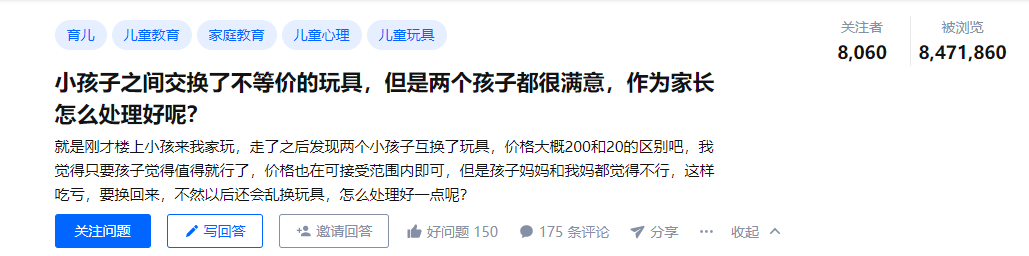
There have been more than 1500 answers to this question. I took this question to discuss with other mothers and found that many people had similar experiences. A friend said that her son was even worse. He once exchanged a 300-dollar plane for a 3-dollar plastic car …
However, everyone has different opinions on whether to interfere with children’s unequal exchange behavior.
Some people argue that this is one of the children.Between things, parents can only be responsible for reminding.The final decision is still given to the children. Even if the price difference is large, you can only bite your teeth;
Some people argue that if the price gap is too big, parents should interfere.After all, this is a part of family property, and children should not be allowed to cherish family property;
Others advocate that toys that cannot be exchanged should be defined in advance.For example, expensive toys, or toys shared by family members, other toys are given to children;
Others think it has something to do with the age of the child.It is best to interfere when the child is young, and return the right to dispose of the property to the child when he thinks that the child is old enough to dispose of the property;
… …
What do you think about this?
Today’s article by Nut Mom is mainly for discussion. Welcome to leave a message to chat ~

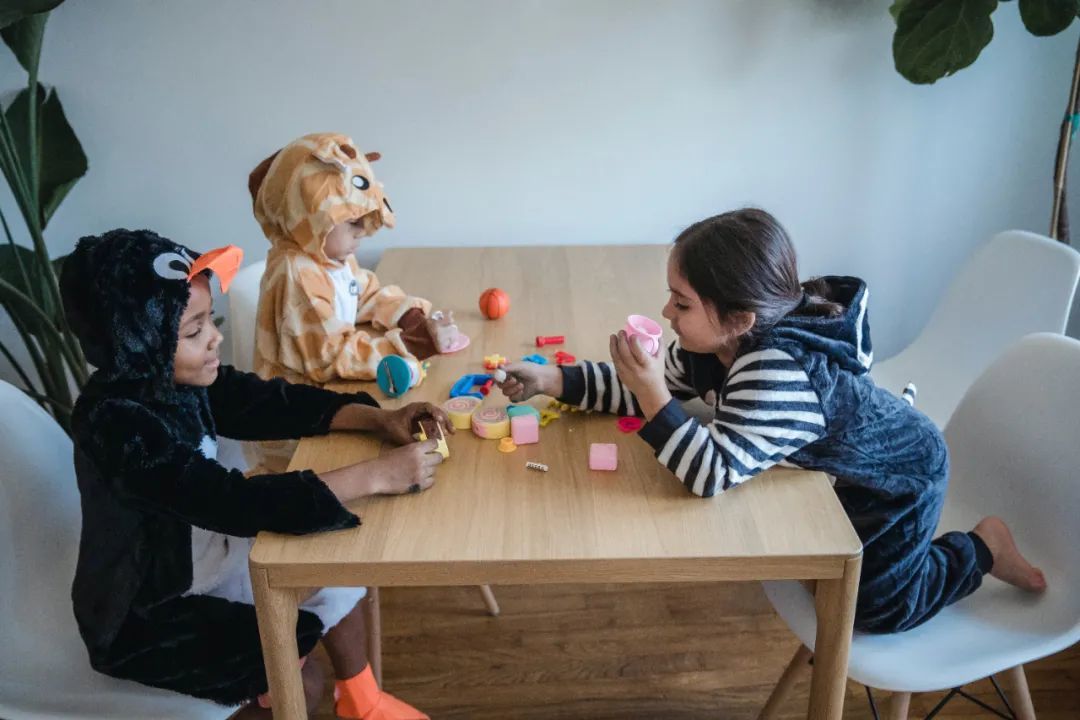
* first of all, the "exchange" discussed in this paper is mainlyRefers to complete exchangeInstead of temporarily exchanging and playing for a while, I will take back my toys when I go home.
one
Apart from the price difference of toys,
What are parents worried about?
As the original owner said, from the parents’ point of view, the worry may not only be the "loss" in this exchange, but also the worry: if you don’t interfere at all, will the children exchange more expensive things with others in the future?
Or, will it inadvertently let children set up a "toy that can be easily exchanged for expensive toys" among children, causing further loss of property?
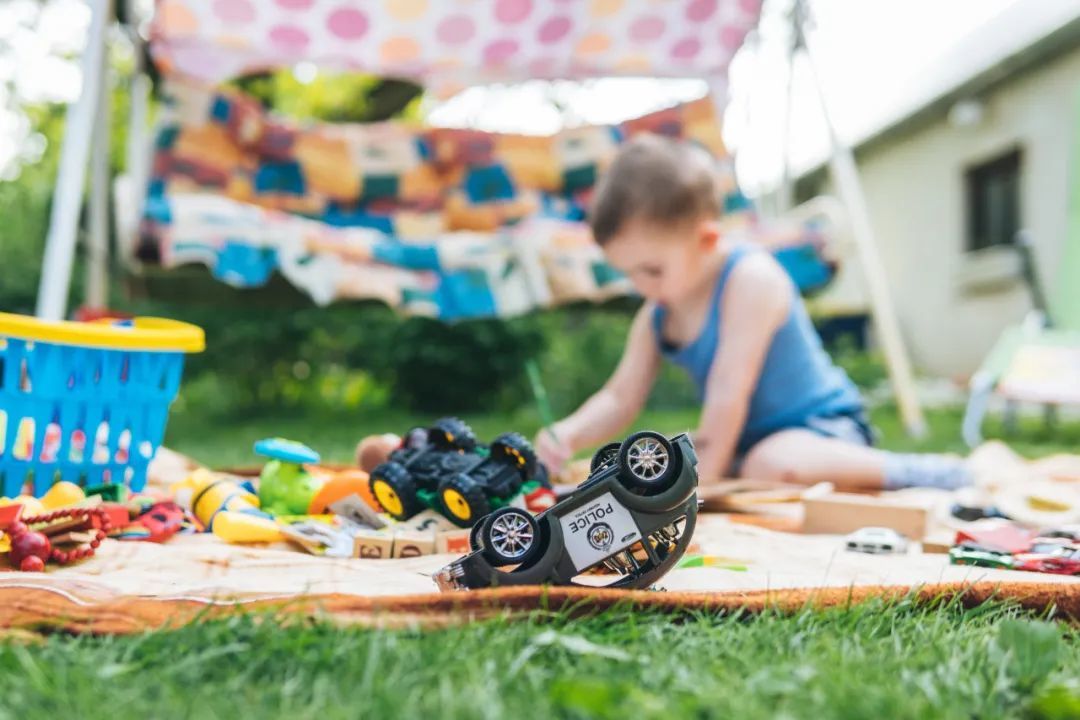
Parents may also worry that non-interference in unequal exchange will make children feel that "my family is not poor in money" and develop the habit of extravagance and waste; Some people also worry that if children exchange their toys easily, they will reduce the degree of cherishing toys and other family property, forming a vicious circle of liking the new and hating the old.
In a word, this matter is not big, and it is not small. On the surface, it may just cause the loss of money. To put it further, if someone thinks that this matter is not handled well, it will affect the development of children’s "financial quotient" and even affect the shaping of children’s character and morality, I think it is also reasonable.
2
The key to changing or not changing is to be self-consistent.
When discussing this matter, although everyone has different countermeasures, there is a fairly unified view, that isChange and not change, interference and non-interference, first of all, parents and children must be self-consistent, especially parents..
That is to say, whether or not to interfere in the end,Once parents make a decision, they should calmly accept the results that follow..
Don’t interfere, and then watch expensive toys be replaced by others; Or interfere, and then prepare for the confrontation that the child may erupt. If you choose, don’t worry and complain about the result. It’s best not to have the idea of "I knew I would have xxxx".
It is not easy for children to be self-consistent.
On the one hand, if children are young and their cognitive level can’t understand that "exchange" means that toys will change hands forever, it is likely that they will go back on their word after exchange.
In this case, parents need to explain the meaning of "exchange" to their children in advance, and perhaps in the process of explanation, the children will give up the idea of exchange.
Of course, sometimes even if we explain it repeatedly, children still can’t fully understand that the action of "exchange" will bring about the change of ownership, so repentance and crying may still happen.
Here’s a little tips:
If you are worried that your child will go back on his word, you canTry to communicate with each other’s parents in advanceExplain the situation. In this way, if the child repents, cries and wants to return the toy, the other parent may be more willing to persuade his child to return it.
On the other hand, even if the child is mature enough to understand the meaning of "exchange", it is still possible to exchange because of "impulse" and then regret it.
In this case, if the parents have not intervened before, it means that the parents think that the child can make decisions independently. In that case,It is better to let children take this "regret" as an opportunity to understand the meaning of "commitment"Understand that while you have the right to make your own decisions, you should be responsible for your own decisions.
three
If you want to interfere, remind your child from the value rather than the price.
After weighing, if you decide to intervene in the "unequal exchange" behavior, I have a few suggestions.
First, emphasize the emotional added value of toys.
Let’s take a look at the following mother’s practice.
The son is a natural and unrestrained, optimistic and enthusiastic. When a classmate is invited to play at home for fun, it is necessary to exchange it with a yacht model with a high price, and the exchange object is a set of puzzles with a very grounded price.
The mother has always respected her children and is willing to let them make their own decisions, but her heart is also bleeding at this time. After the struggle, she decided to remind her son:
Mom:Son, are you sure you want to exchange this yacht with xx?
Son:Sure, that puzzle is so interesting. I have been playing this yacht for a long time.
Mom:Yes, you may think it’s stale. However, don’t forget that this is a gift that dad once went on a business trip for more than a week and missed you very much. When he came back, he picked it out at the airport for a long time before buying it for you!
Son:……
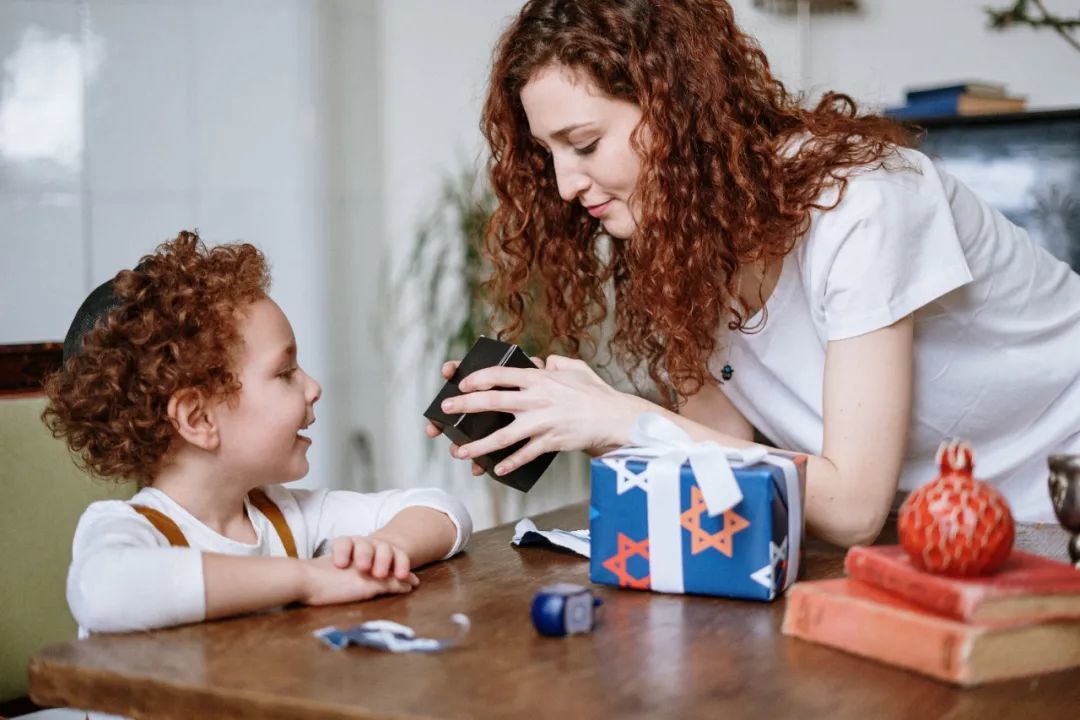
No matter what my son decides in the end, I think this mother’s practice is worthy of recognition. Because in the process of reminding children, she did not blindly emphasize the high price, but explained the emotional value behind this toy.
Think about it,Toys that are so expensive that we feel heartache usually have unusual "emotional added value"For example, a birthday present for a child, a toy carefully selected by a family outing, a gift from a special relative or friend, or a reward for a child’s great progress, and so on. Therefore, this trick can often arouse children’s emotional memory of toys.
Children may not cherish a toy because it is expensive, but they often cherish it because it has a deep emotional connection with themselves.
Of course, this also requires us to give expensive toys to children at the moment, and give them certain emotional value.
Second, discuss with your child the reasons for the exchange and whether there are alternatives.
There is always a reason why a child wants to complete this unequal exchange. Let’s talk to the child and see if it is a whim or if the other’s toy really has something that particularly touches the child.
If it is just a whim and the picture is fresh, you can suggest that the child and the other party agree that it is only a temporary exchange in a short period of time; If it is really special, you can also propose to buy a new one for your child (after all, the price is not as expensive as your own toy …).
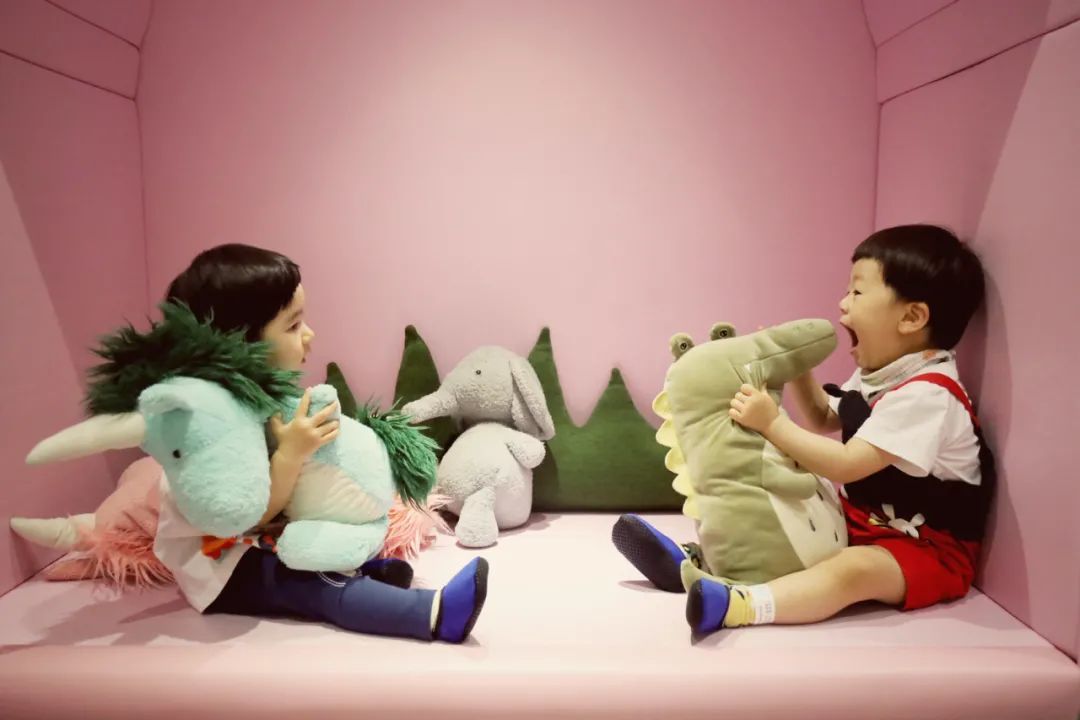
Third, different ages, different situations and different objects should have different ways of intervention.
As mentioned above, if the children are too young, the way of "discussing reasons" applicable to older children may not work, and it may be more effective to emphasize the emotional value of toys.
In addition, the interference modes of different scenes and different objects should also be different.
For example,In public places with many people, we should pay attention to the intervention attitude and protect the self-esteem of children.;
You should also consider whether the parents of the other child are strangers who meet for the first time or your close friends. The intervention cost of these two scenarios is very different. The former may need to communicate actively in advance to warn of the scene of repentance; As for the latter, it’s not embarrassing to say that you want to change it back every once in a while.
four
Non-interference does not mean ignoring it.
If you are a "democratic" parent who absolutely respects children, or you think that "as long as children are willing, the price difference of toys need not be too concerned", then this unequal exchange will probably not be interfered.
However, based on the idea that "no one’s money is blown by strong winds" and "let children have the concept of cherishing things", I would like to add one thing to the parents of "non-interventionists":Non-interference does not mean completely ignoring it.
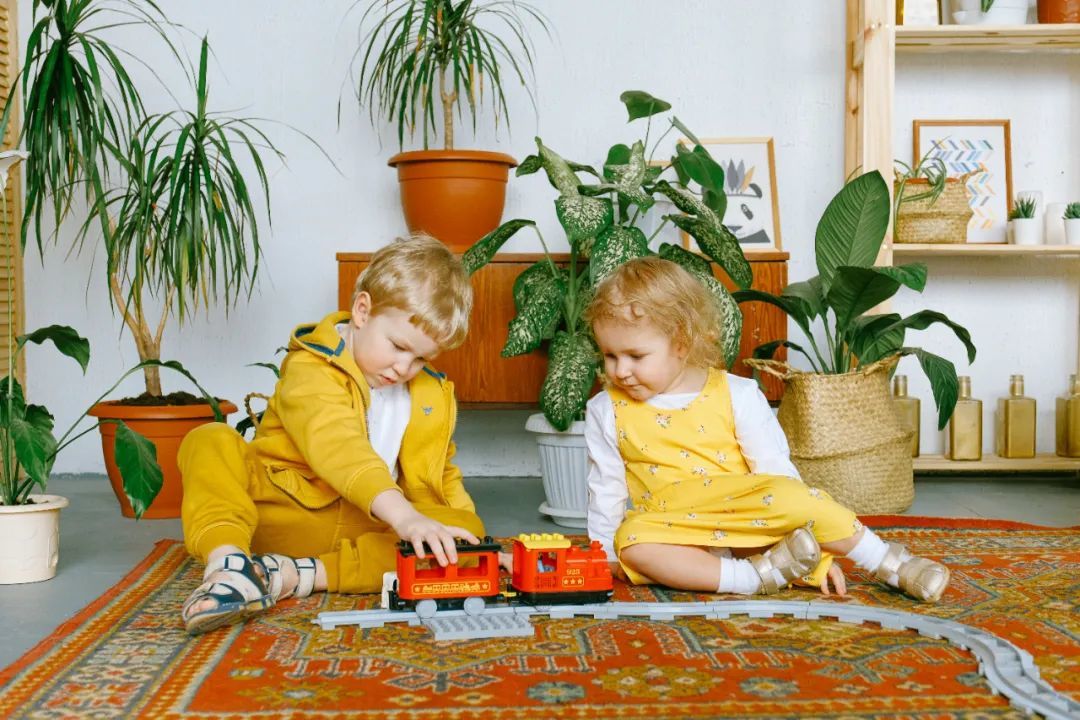
Even if we don’t interfere with children’s exchange behavior,You can remind your child to say goodbye to the toy that will change hands soon, and thank this toy for its companionship in the past.. This seemingly "pretentious" sense of ceremony will give birth to a sense of treasure in children’s hearts-it turns out that this toy has also spent many wonderful times with me. This kind of treasure may guide children how to treat other toys, articles and even family and friends.
At the same time, this "sense of ceremony" will also make the new owner who accepts this toy understand that the toy is very meaningful to the old owner, and I should care for this toy with my heart, instead of treating it casually or even destroying it.
This can also try to avoid the unhappiness caused by the other party not cherishing our expensive toys, and make up for the psychological "sense of deficit" more or less.
you stillChildren can be reminded to tell their new owners about the characteristics, advantages and special ways of playing this toy.. This will not only improve the value of toys in the new owner, but also promote the friendship between children and increase other benefits for "unequal exchange".
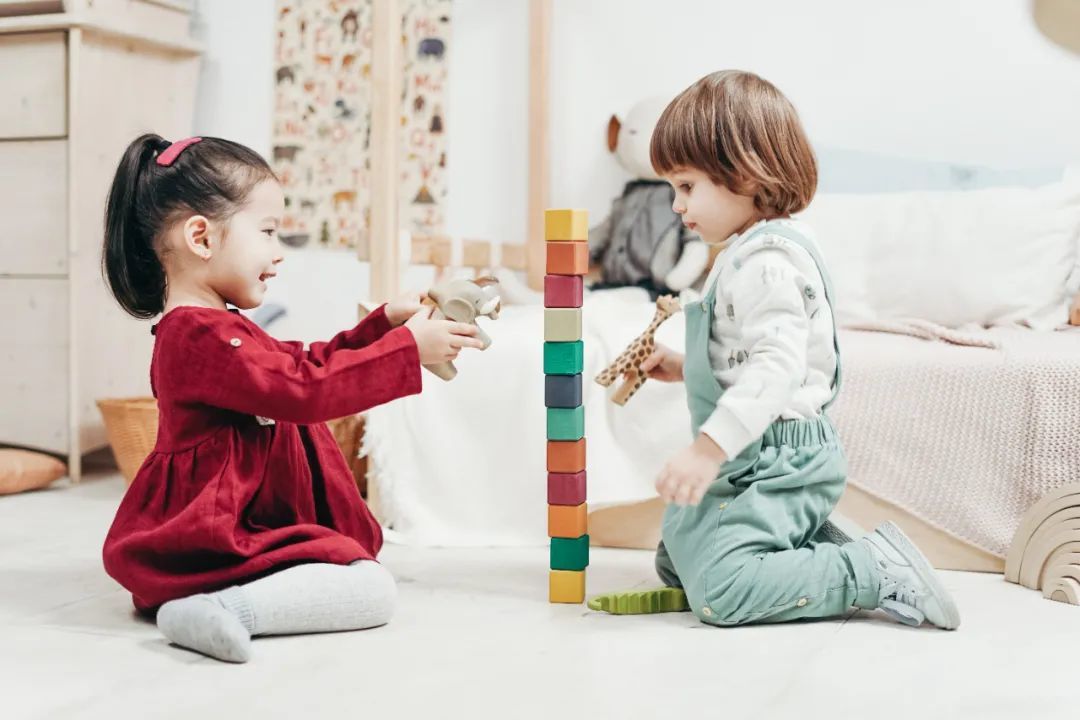
Maybe the child will suddenly realize that my toy is really good, so I’d better not change it …
If there is such a result, it is not bad, which not only respects the child’s decision, but also avoids economic losses.
five
Back out and want it back,
Should the "bad guys" be children or parents?
A friend asked: In case the children didn’t interfere when exchanging toys, or the intervention failed, when the children came to their senses and wanted their toys back,Should the children ask for it themselves or go for them?In other words, who should lead the communication with each other when going with children?
Some people say that it depends on the age of the child. If the expression is unclear, parents must come forward to get it back for their children. When you are older, you can communicate with each other smoothly, so the children will go back by themselves, and the parents will accompany you at most.
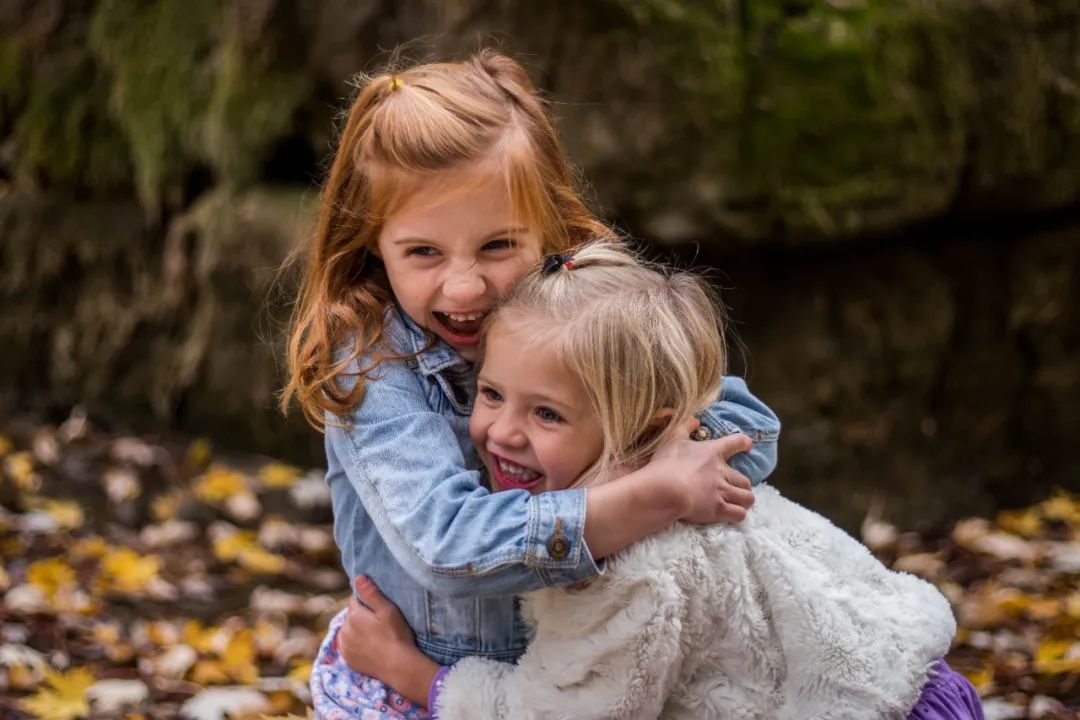
Personally, I think,No matter how old the children are, if they really want their toys back, parents should go with them.And in the process of communicating with each other, don’t completely deny and be too harsh on your children in order to improve the "return rate".
For example, "It’s all my fault that this Xiong Haizi is not sensible. He agreed to change and regretted crying. I have no choice but to bring him to trouble you again …" In this case, it’s best not to say it in front of the other children and parents.
First,This kind of hurts the child’s self-esteem.It will make children feel that they have become a renegade and disobedient person in front of each other; Secondly, it is hard to say that there is no responsibility for parents’ improper guidance for the result of "wanting to return after unequal exchange".It’s not appropriate to blame all the mistakes on the children..
If the child still wants the toy back after thinking about it for a long time, go with the child.
Apologize sincerely first, and then explain carefully to the other child and parents why they want to go back. It is best to make appropriate compensation to the other party at the same time, such as sending some food. In this process, parents can decide whether to help their children add explanations according to their expression.
But anyway,Parents should stand on the United front with their children, so that children can still feel the firm support of their parents while realizing their mistakes.

I once heard such a story:
There was a little boy in grade one of primary school who went home with a dozen classmates after school. On the way, he met a vendor selling ice cream. With a wave of his hand, the little boy said, "It’s my treat today. Let’s help ourselves. "As a result, when everyone finished eating, the little boy found himself ashamed and unable to pay. He was ashamed. At this time, a child went to his house and called his grandfather. Grandpa learned the situation, said nothing and paid for the ice cream.
When the little boy became a man, he still remembered his grandfather’s expression at that time. He said, "That expression was not a reproach, but I seemed to understand how to be a responsible person that day. “
Parents can’t be a safe haven for their children’s life, but they can be the confidence for their children to face their mistakes bravely.
six
Do this well in advance to reduce embarrassment and avoid confrontation.
If you don’t want to have an "accident" of unequal exchange at all, you need to plan ahead, make plans in advance, set good rules, and let children have clear criteria for consideration before exchanging toys to reduce embarrassment and confrontation.
1, delimit the scope of "exchangeable" toys.
For example, when playing toys with children at ordinary times, discuss with them and make it clear that toys with prices above xx are best not to be exchanged with others.And explain what advantages these toys have that are difficult to replace.For example, distinctive design, rare theme, very educational and brain-strengthening, and quite rich gameplay.
At the same time, some toys with special emotional value and other meanings can also clearly tell children not to exchange or give away.

2, regular inventory toys, sorting.
You can arrange a fixed time to organize toys with your children, and you can even take your children to make a table listing which toys can be eliminated, donated, given away or exchanged; Which types of toys are too many to buy next time; Which toys are not used to playing, but can be played now; Which toys can be played with new tricks now …
This kind of arrangement can not only save money, but also help children to define "exchangeable" toys and cultivate their ability of classification, induction and planning.
3. For special toys, explain the attributes clearly.
Zhihu spoke highly of the first answer and mentioned a middle school text "The Wood Carving of Antelope". The "toy" exchanged in the story is a very valuable wood carving.
Although the father said that the woodcarving was "given" to his daughter, when the daughter exchanged the woodcarving with her friends, the parents were furious and forced the child to get it back.
According to this, several respondents pointed out that "parents can explain to their children that although it is your toy, it is the property of the family, so whether it can be exchanged is not up to you, but up to parents."
Although this can make children understand that they should discuss with their parents before exchanging expensive toys, I thinkThis practice can be improved..
Because "toys" are a little different from other family possessions,The right to use toys belongs almost entirely to children themselves.This is more prominent in the one-child family. Moreover, parents are also happy to say, "Here you are, have fun!" at the moment when they give their new toys to their children. In fact, this has given children ample reason to believe that the owner of this toy is "I" and I can decide what to do with it.
When exchanging toys, adults suddenly suggested that this toy child only has the right to play, but has no right to dispose of it, which will inevitably confuse the child and make him feel disrespected by his parents.
I think this kind of explanation should be the responsibility of parents to complete in advance, and we should pay special attention to the way of explanation.
For those very expensive toys, you should make it clear when you give them to your children.This "toy" is very special. It belongs not only to you, but also to parents. Therefore, our family should have the right to dispose of it together.
Explain to children: Just as parents will respect you and will not throw away or give away your toys casually, please respect the parents’ opinions for these special toys we have together and discuss them before disposal.
I have always advocated respecting children’s independence as individuals and not treating them as "kids who know nothing". On the basis of full communication, we can try our best to guide children’s behavior and grow up with them.
▼